
800 Years Later
In 1219, Francis of Assisi crossed a war zone to tell the truth to an enemy. He didn't end the war. But he understood something most people in his century — and ours — have missed: peace doesn't begin at the international level. It begins with one person deciding, in their specific circumstances, to choose love over resentment, pardon over grievance, hope over despair.
Quick Reference| Where Peace Begins | The Franciscan Principle | The Practical Form |
|---|---|---|
| Interior life | Peace flows outward from the person | Honest prayer; naming what is actually broken |
| Family | Home is the first mission field | The conversation you have been avoiding |
| Community | Family peace flows into town peace | What the family builds goes into the world |
| World | World peace is the downstream effect | Begins with a rosary prayed after dinner |
He Went to the Sultan
In 1219, while the armies of the Fifth Crusade besieged Damietta on the Egyptian coast, Francis of Assisi crossed the front lines and walked into the camp of Sultan Malik al-Kamil. He was not a diplomat. He had no official standing. He went because he believed that peace — real peace — begins when someone decides to stop treating the enemy as something less than human and starts telling them the truth.
He did not convert the Sultan. He did not end the war. He came back to the Christian camp with his faith deepened and his mission clarified, and he lived out the remaining seven years of his life as if the conversation in that tent was still ongoing. Francis understood peace the way very few people have understood it: not as the absence of conflict, but as the fruit of a specific way of living — a way that begins not with international relations but with the interior life of an individual.
Where Peace Actually Begins
Ask most people where peace comes from and they will point outward: to better policies, better leaders, better international agreements. Francis would have pointed inward first — to the specific person standing in front of him. His Peace Prayer makes the sequence clear. The pray-er asks to be an instrument of peace, not a policy-maker for peace. The focus is on what the person praying is doing and choosing in their immediate relationships.
Every line of that prayer is a family prayer. The hatred and injury and despair Francis is asking to address are not abstract geopolitical problems. They are the exact things that happen in homes — between spouses, between parents and children, between siblings. That is where the prayer lives. That is where peace either begins or fails to begin.
Where there is hatred, let me sow love. Where there is injury, pardon. Where there is despair, hope. Every one of these lines names something that happens in your home. Francis wrote the prayer for the world. But it begins in the kitchen, the bedroom, the dinner table.
What He Would Say to Catholic Families Today
Francis was formed in a world of real and visible violence. He had been a soldier. He had seen what men do to each other in war. He lived in an era of political intrigue, religious conflict, and social unrest that makes most modern Western lives look extraordinarily stable by comparison. And he chose to begin with what was in front of him: the chapel that needed rebuilding, the leper on the road, the brother in the community who was difficult to live with. He did not wait for conditions to be right.
He would say the same thing to Catholic families in 2026. Start with what is in front of you. Start with the conversation you have been avoiding with your spouse. Start with the patience your children need from you at dinner. Start with the forgiveness you have been withholding from someone in your own household. He would not be impressed by grand gestures toward world peace from families whose homes are running on fumes of resentment and disconnection.
He would ask you to do the harder, smaller, more necessary thing first. Not the grand gesture. The actual repair, in the actual relationship, that is actually broken.
The Home as the First Mission Field
Francis called his brotherhood a domestic order before it was anything else. His early friaries were not monasteries behind high walls — they were houses in towns, among people, open to whoever needed help. The home, for Francis, was not a retreat from the mission. It was the first site of the mission. The Catholic vision of the family as the domestic Church carries this same conviction: the home is where the Gospel is either lived or abandoned.
What happens in the home does not stay in the home. It forms people who go into the world and either build peace or contribute to the fracture. Francis would recognize this immediately. He spent his entire adult life trying to repair something that had broken at a foundational level. He would tell you the foundation worth building is the one you are already standing on.
Praying for Peace Begins at Home
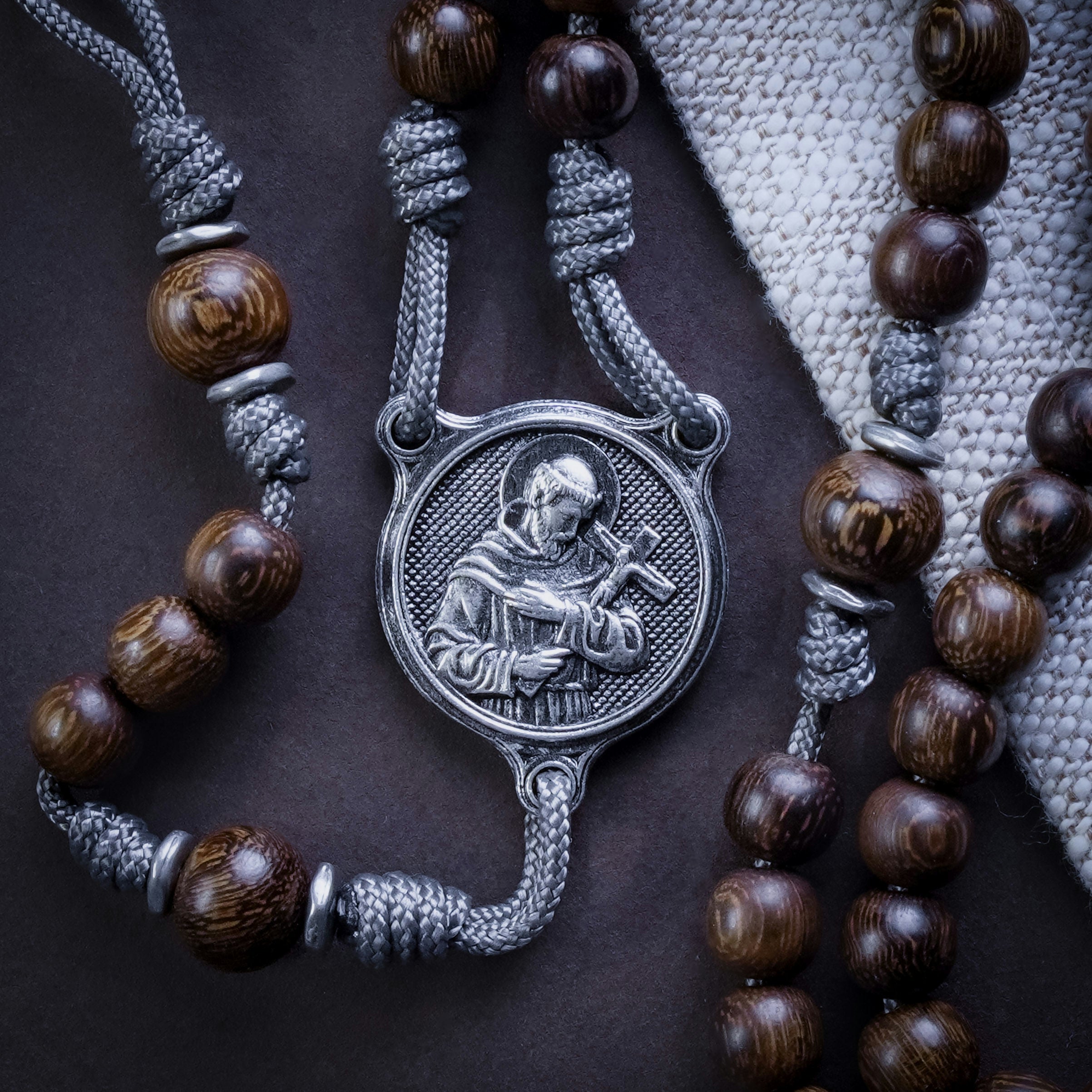
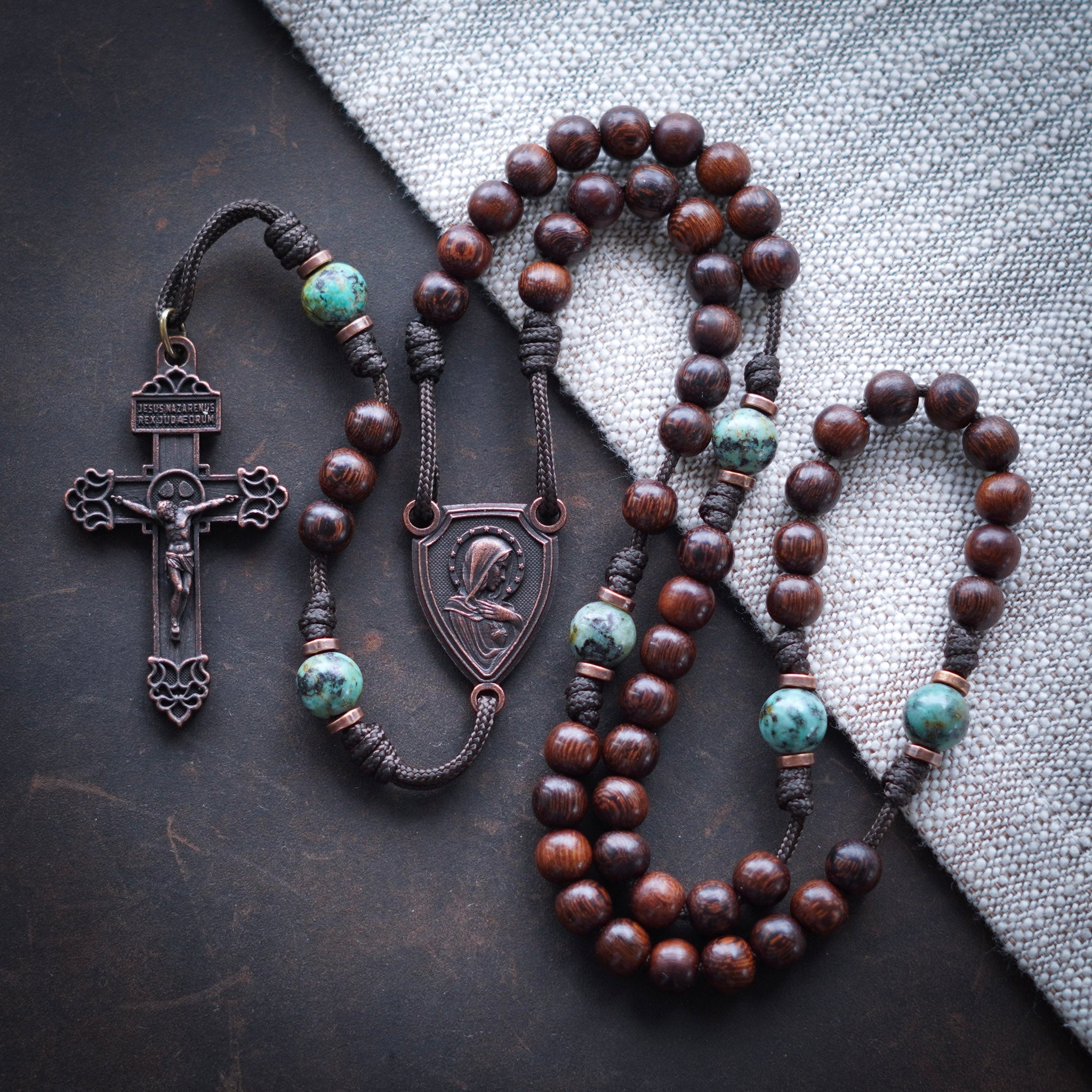
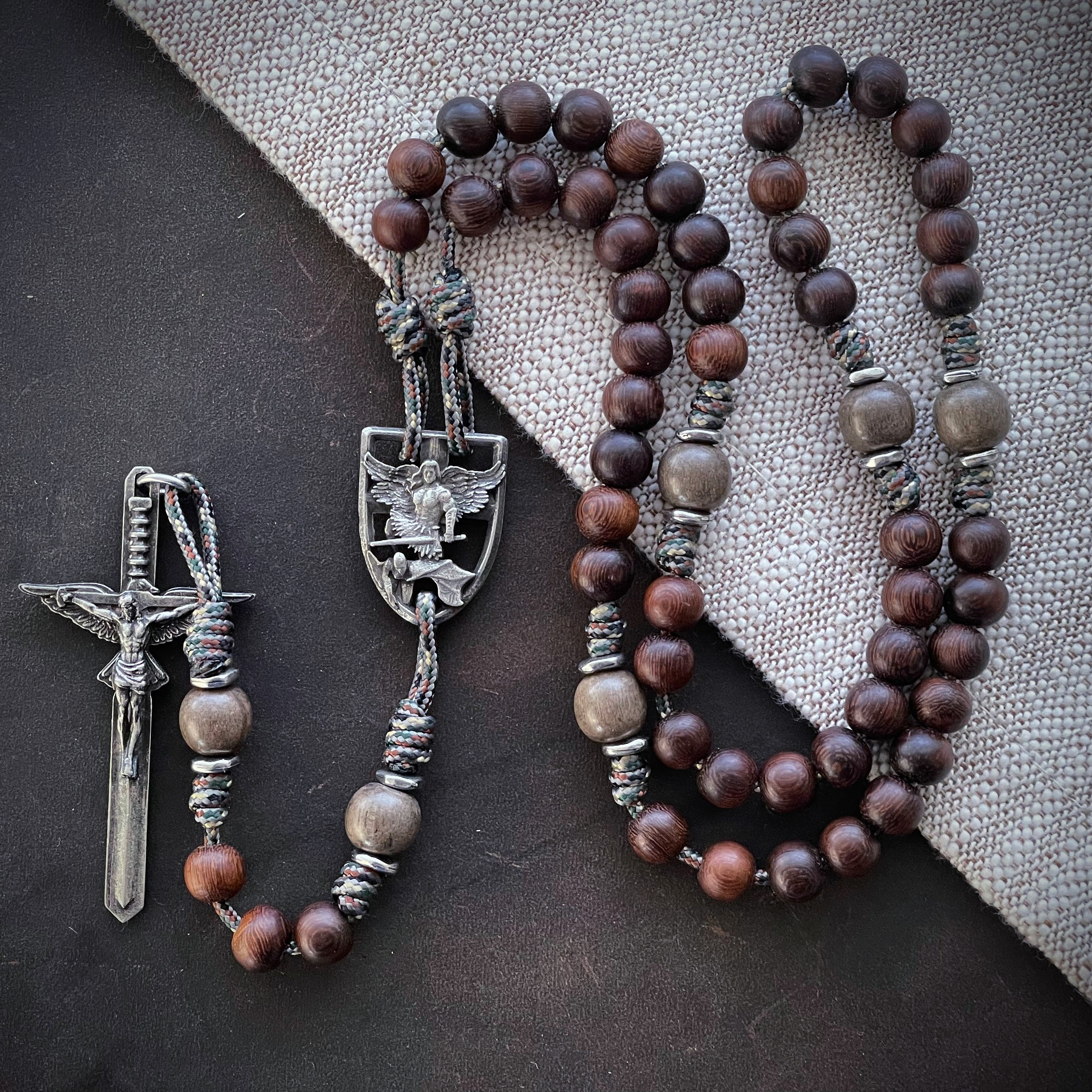
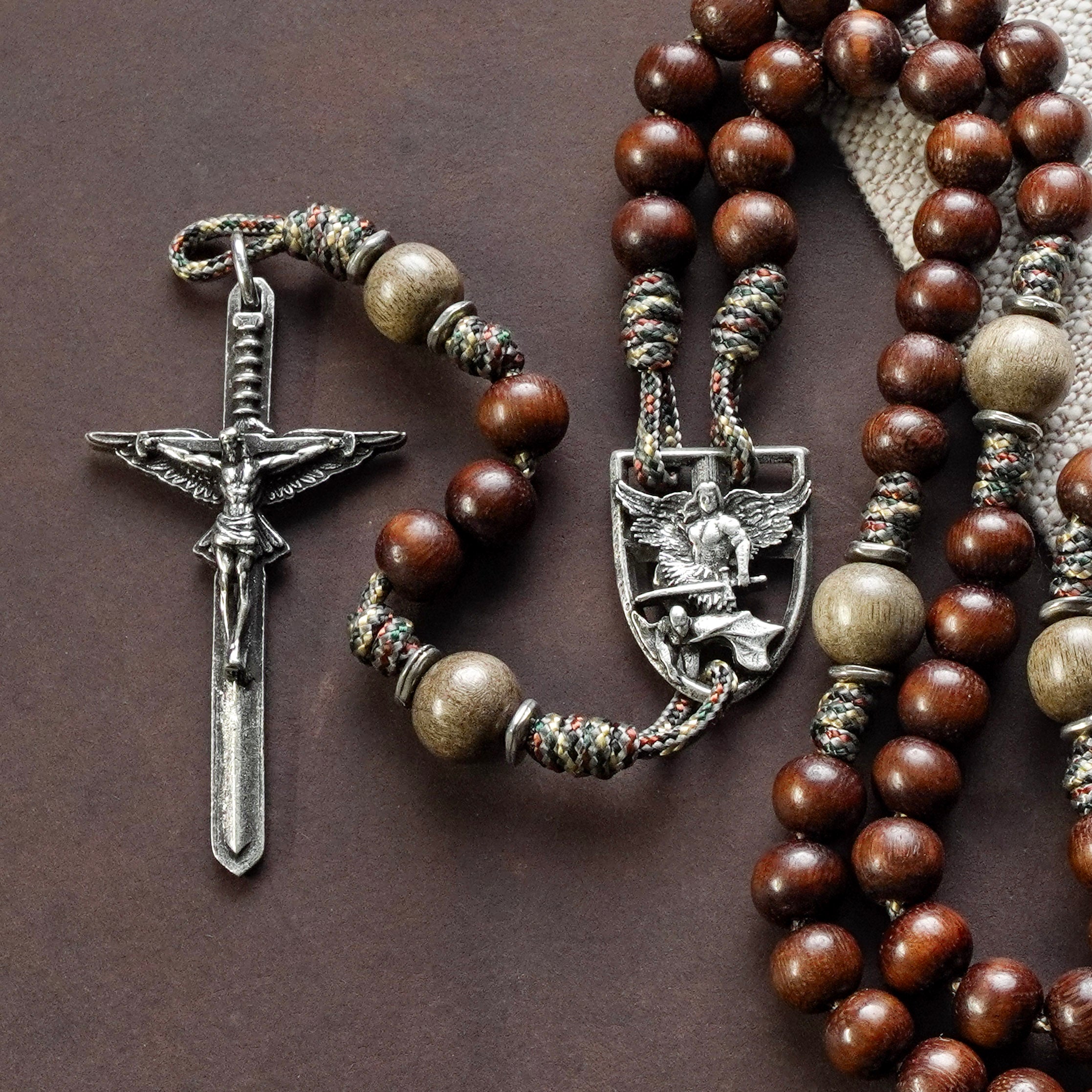
The rosary has always been a prayer for peace. Our Lady of Fatima asked for the rosary in response to a world war and the spiritual devastation that preceded and followed it. The structure of the prayer itself — its contemplative slowing, its movement through the mysteries of the life of Christ — forms the person who prays it in the virtues that produce peace.
If you want peace in the world, pray for it in your home. If you want peace in your home, start with your own heart. Francis would tell you that is not where the work ends. It is where it begins.
Francis crossed a war zone to preach peace. You can start smaller. Start with tonight's dinner. Start with the conversation you have been avoiding. Start with the rosary. The sequence runs from there.
Q&A Flashcards: St. Francis and Peace in the Family
Tap any card to reveal the answer.
Source: Content produced for The Catholic Woodworker · youtube.com/@thecatholicwoodworker · April 2026