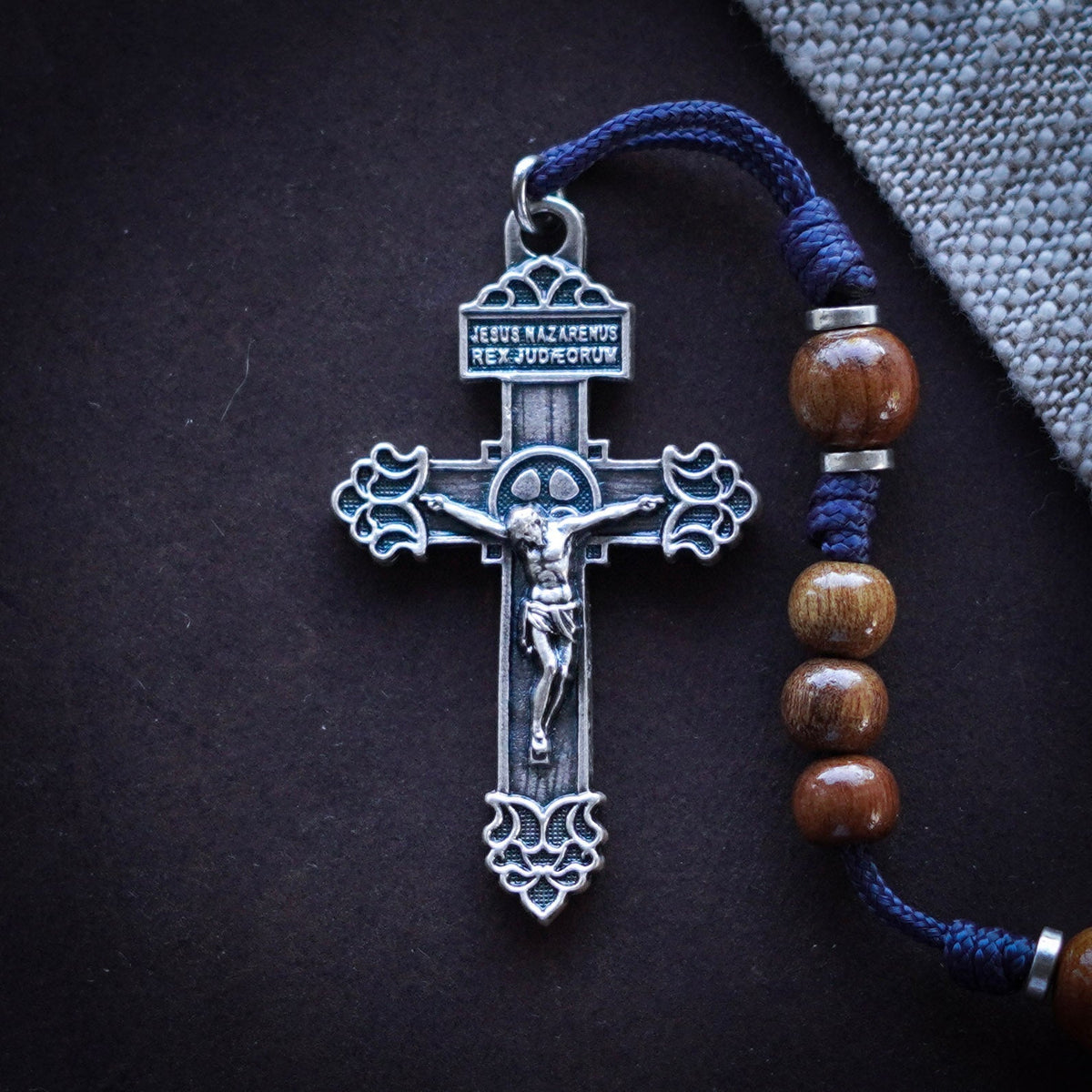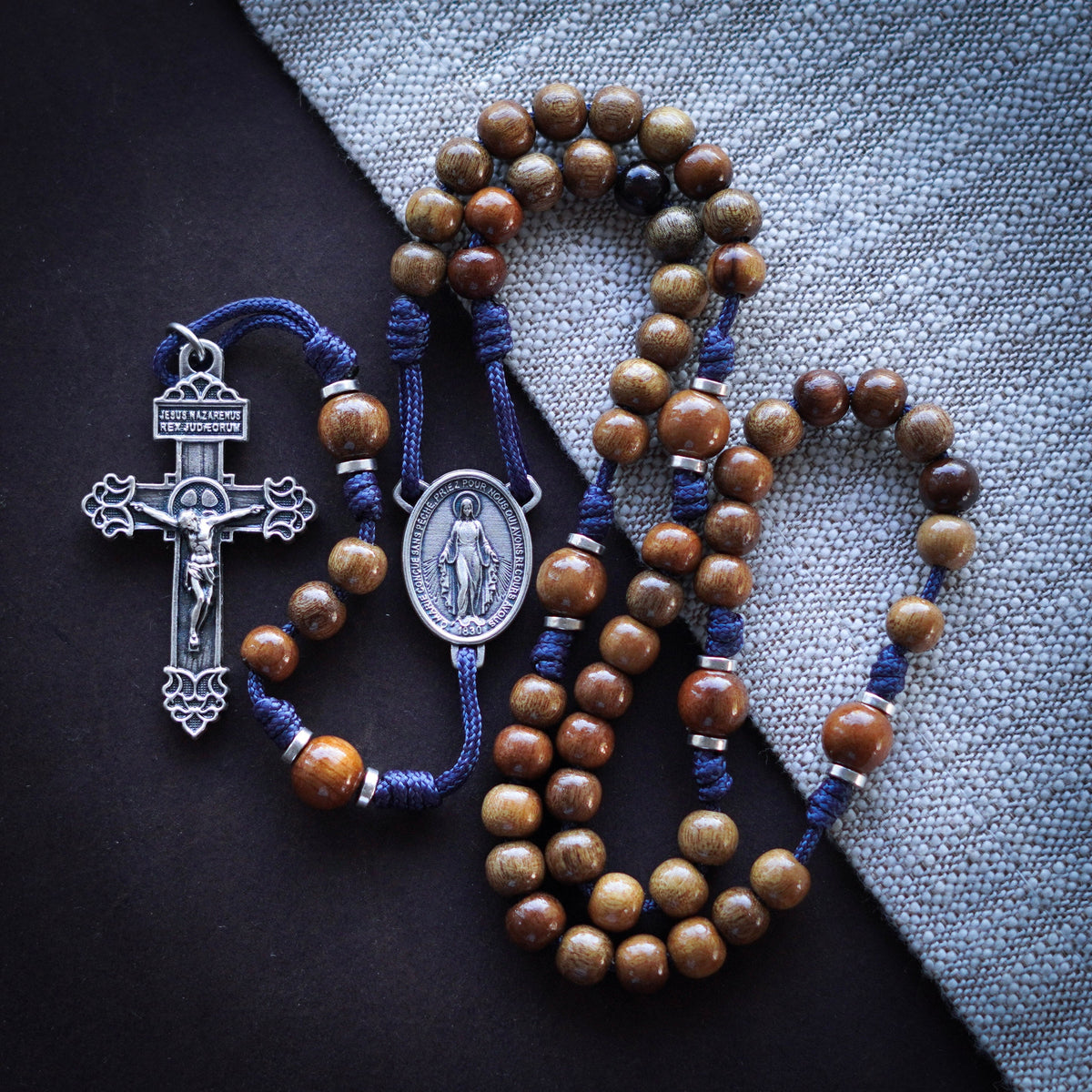

Every Miraculous Medal traces back to one convent chapel, one young nun, and a handful of nights in the summer and winter of 1830. Here's the true account of how Our Lady's medal came to be, and why the Church still marks its origin every November 27.
A voice in the night: July 18, 1830
On the eve of the feast of St. Vincent de Paul, a twenty-four-year-old novice named Catherine Labouré woke to the voice of a child calling her name. The Daughters of Charity convent on the Rue du Bac in Paris was silent, but the child led her down the stairs to the chapel, where every candle was already lit.
There, Catherine knelt beside the Blessed Virgin Mary for several hours, listening as Mary spoke of hard days ahead for France and for the Church, and of a mission she wanted from her. Within the month, revolution broke out in the streets of Paris and a king was overthrown, a grim confirmation of what Catherine had just been told. She kept most of that conversation to herself for the rest of her life, sharing it only with her confessor.
The vision of November 27, 1830
Mary appeared to Catherine again on the evening of November 27, standing on a white globe, her feet crushing the head of a serpent. Rays of light streamed from rings on her fingers, and Catherine understood these to represent the graces Mary obtains for those who ask for them.
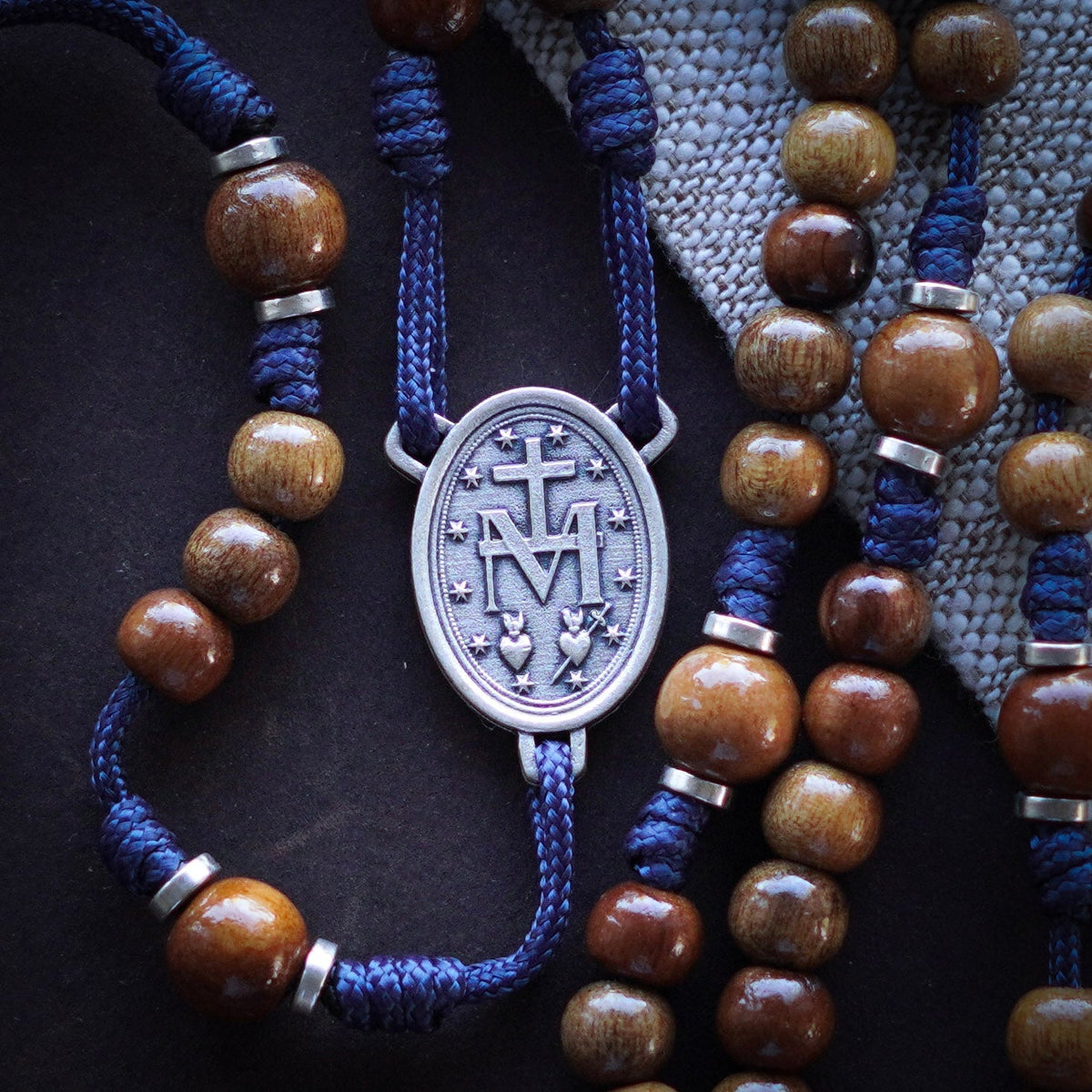
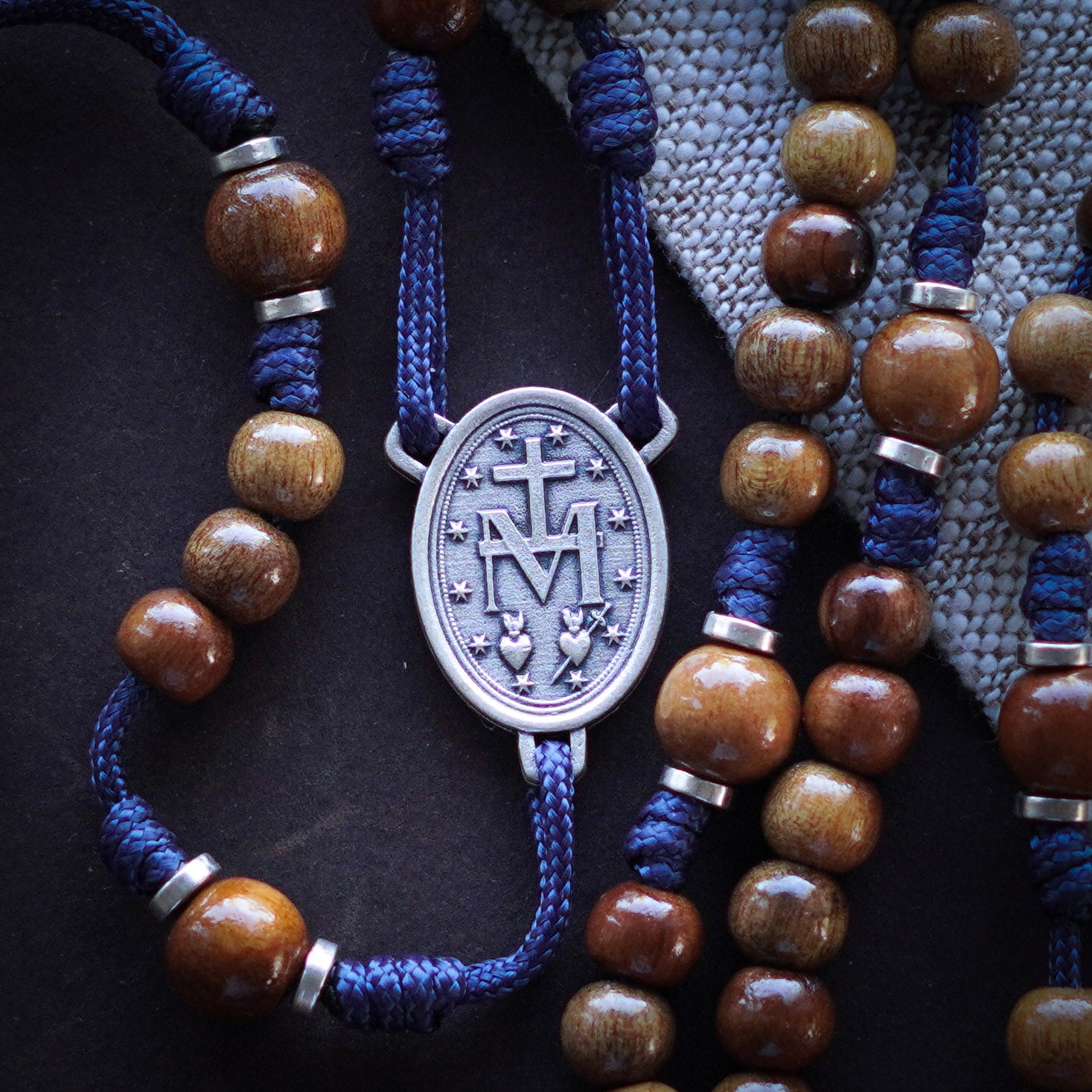
Around the image, an oval frame carried the words “O Mary, conceived without sin, pray for us who have recourse to thee.” Then the image turned, and Catherine saw the reverse: a large M topped with a small cross, two hearts beneath it, the Sacred Heart of Jesus and the Immaculate Heart of Mary, circled by twelve stars.
From vision to medal: 1832
Catherine's confessor, Fr. Jean-Marie Aladel, took nearly two years to bring the request to the Archbishop of Paris, wanting to test whether the vision held up under scrutiny. On June 30, 1832, the first medals were struck in Paris under the original name, the Medal of the Immaculate Conception.
Reports of graces and healings connected to the medal spread quickly through Paris and beyond, and Catholics began calling it simply the Miraculous Medal, a nickname that eventually replaced the original title everywhere except in formal Church documents.
A Paris goldsmith named Adrien Vachette struck those first medals, and in 1836 a formal Church inquiry in the Archdiocese of Paris investigated the apparitions and declared them worthy of belief, a canonical judgment that gave the fast-spreading devotion an official foundation to stand on.
How the Church recognized the devotion
One of the most striking early accounts involves Alphonse Ratisbonne, a Jewish banker from Strasbourg who wore the medal almost as a joke in January 1842. Inside the church of Sant’Andrea delle Fratte in Rome, he experienced a vision of Mary and converted to the Catholic faith within days. You can read the fuller account in our guide to the Miraculous Medal as spiritual armor.
The medal's imagery anticipated a doctrine the Church would not formally define for another twenty-four years. In 1854, Pope Pius IX declared the Immaculate Conception a dogma of the faith, the same truth Catherine had seen written in light around Mary's image. The Church later approved a feast in honor of the Miraculous Medal, kept every November 27, the anniversary of the main apparition.
Catherine Labouré spent the rest of her life caring for the elderly poor in Paris, telling almost no one about her visions until shortly before her death in 1876. Rome beatified her in 1933 and canonized her in 1947. Nearly two centuries later, her medal still hangs from rosaries, key chains, and hospital ID badges around the world, quietly doing exactly what Mary asked of it.