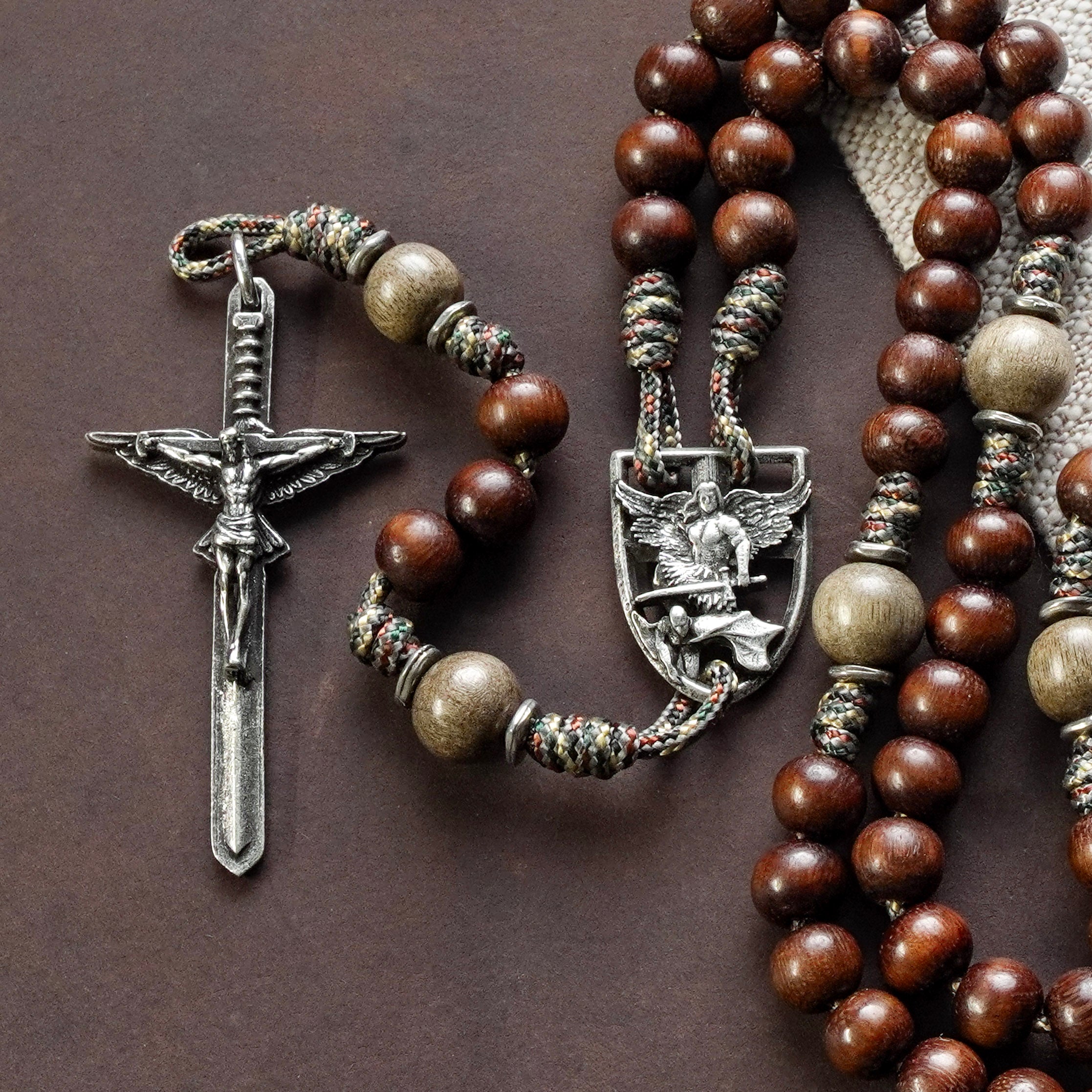


Soldiers carry his medal into deployment, police chaplains bless officers in his name, and families whisper his prayer when someone they love walks out the door for a dangerous shift. Here is why St. Michael became the patron of protectors, how the Church calls on him, and how to ask for his help in a way that stays rooted in faith.
Who St. Michael watches over
Most patronages grew up through custom over centuries, as Catholics in a particular line of work kept turning to the same saint. St. Michael's patronage of soldiers developed that way. His role in Revelation 12, leading the angels against the dragon, made him the natural heavenly ally of anyone who goes into battle, and his image has watched over soldiers' chapels and shrines for centuries.
His patronage of the police is one of the few that rests on a formal act. On September 29, 1949, Pope Pius XII proclaimed St. Michael protector of the police in a papal bull, noting that officers entrusted with such a serious task for the common good had already begun calling on him as their patron. Italian police still gather at the Vatican to mark the anniversary.
Over time, the list has widened to include firefighters, paramedics, doctors, and others who work in dangerous conditions. His connection with the sick reaches back to the early Eastern Church, where he was honored as a heavenly healer. The thread running through all of it is simple. Michael is invoked by people who stand between others and harm.
Why protectors turned to him
Scripture gives Michael the same job every time he appears. In Daniel 12:1 he is the great prince who stands guard over God's people in a time of distress. In Jude 1:9 he confronts the devil over the body of Moses. In Revelation 12 he casts the dragon out of heaven. Our history of St. Michael the Archangel walks through each of these passages in detail.
What makes him such a fitting patron for soldiers and police is how he fights. In Jude, even facing the devil, Michael refuses to pronounce judgment on his own authority. He says, in effect, let the Lord rebuke you. He uses the power he has been given, for the people he has been given to protect, and he points the credit back to God. That is a good description of what the Church hopes for in anyone who carries a badge or a weapon on behalf of others.
What St. Michael teaches Catholic men about strength
Michael's example reaches well beyond uniforms. Every husband, father, and son is asked to protect someone, and Michael shows what that strength looks like when it is rightly ordered. He is the most powerful figure in Scripture's account of the war in heaven, and his very name is a confession that God alone is God.
That is the model the Church holds up for Catholic men: strength placed at the service of others, exercised under God's authority, and quick to give Him the credit. It shows up in ordinary places, like a father praying over his children at night, a husband guarding his marriage against temptation, or a man keeping his word when it costs him.
For men building that kind of daily discipline, the Rosary is one of the most practical tools available. Our article on why Catholic men are returning to daily prayer looks at how men are making room for it, and the Armor of God Rosary story shows how one men's conference built its devotion around Ephesians 6.
St. Michael in the Church's prayers against evil
Michael also holds a particular place in the Church's ministry of exorcism. In 1890, four years after introducing the short prayer said after Low Mass, Pope Leo XIII approved a much longer Exorcism against Satan and the Apostate Angels. It opens with verses from the Psalms, continues with an extended prayer asking Michael to come to the aid of the Church, and then moves into the formal prayers of exorcism. It was later placed in the Roman Ritual, the book of the Church's official rites and blessings.
That longer formula was reserved for bishops and for priests given permission by their bishop, and the Church still reserves the ministry of exorcism to priests appointed for it. The short Prayer to St. Michael is the one meant for everyone. Families, parishes, and individuals can pray it anywhere, and for most Catholics it's the natural way to bring Michael's protection into daily life.
What it means to ask for his protection
Asking St. Michael to protect someone doesn't guarantee they'll never be hurt, and the Church has never taught that it does. Soldiers who prayed faithfully have died in combat, and officers who wore his medal have been injured on duty. What the prayer asks for is deeper. It asks for defense against the snares of the devil, for strength in temptation, and for the grace to act rightly under pressure, so that whatever happens, the person stays close to God.
That understanding frees you to pray with real confidence. You're placing someone you love under the care of a defender God himself has sent, and you're trusting God with the outcome. For anyone in a dangerous job, that kind of peace is its own protection.
Praying for the protectors in your life
If someone in your family serves, a few small habits can keep them in your prayer every day. Pray the Prayer to St. Michael each time they leave for a shift, or set a reminder for the time their shift begins. Offer one decade of the Rosary for them each week, choosing a mystery that fits what they carry. The Agony in the Garden, in the Sorrowful Mysteries, is a good one for someone facing fear or exhaustion, and our guide to the Mysteries of the Rosary has the full list.
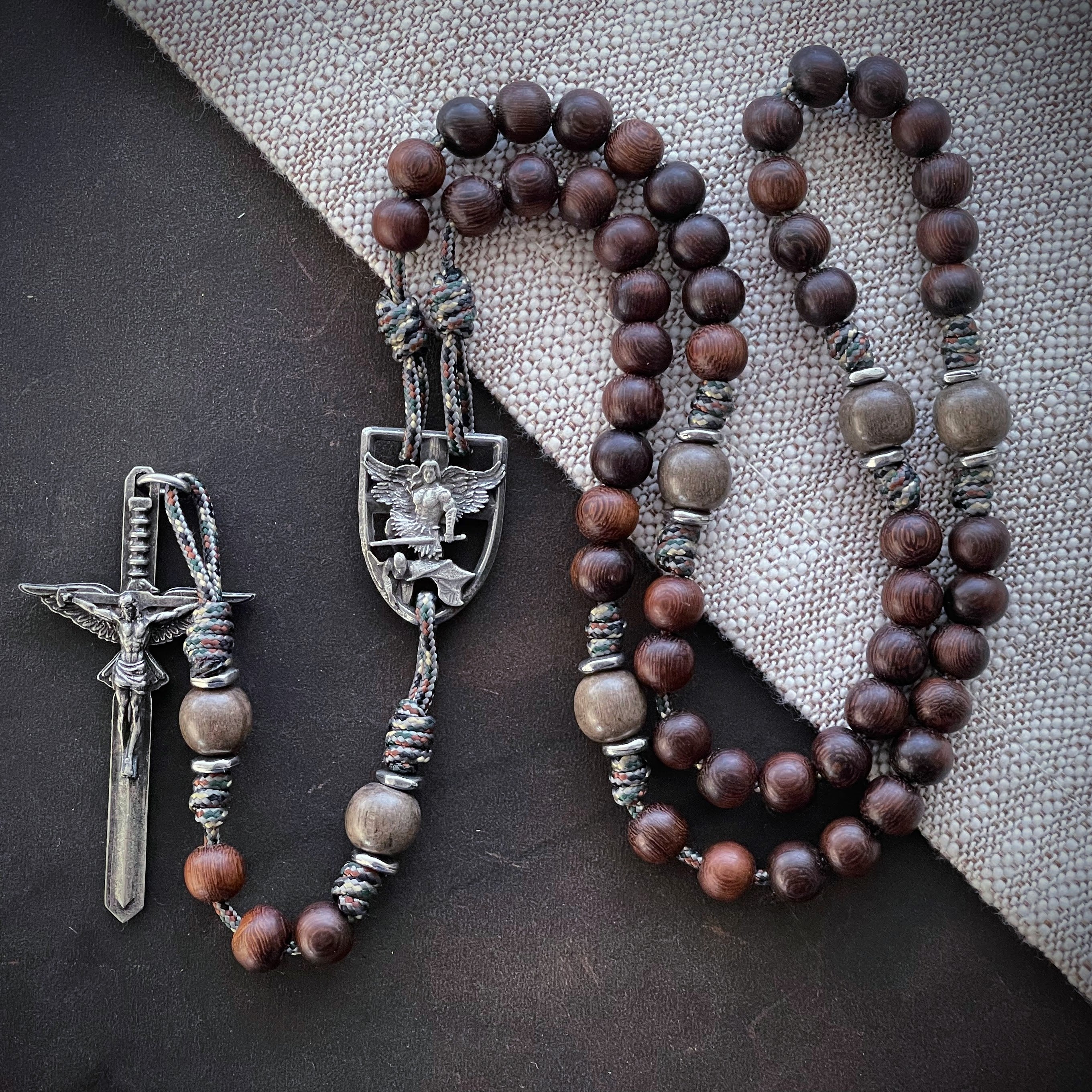
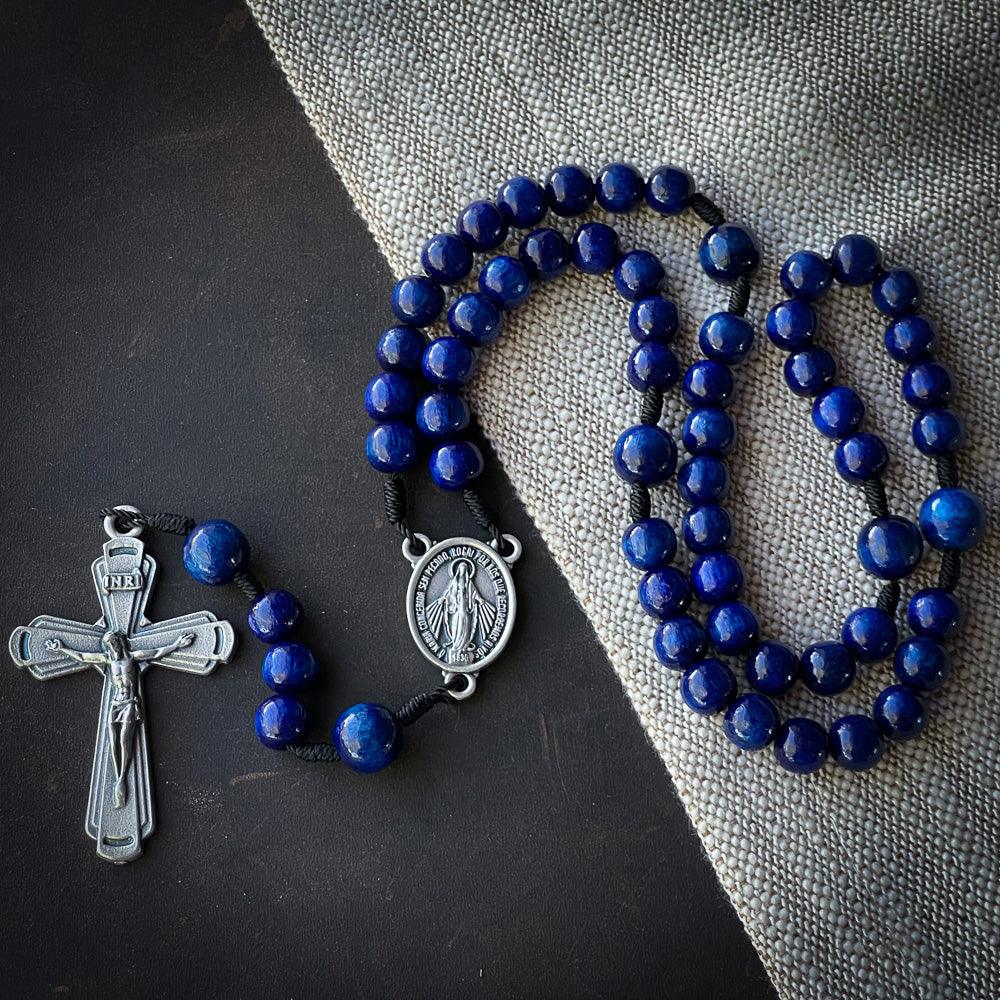
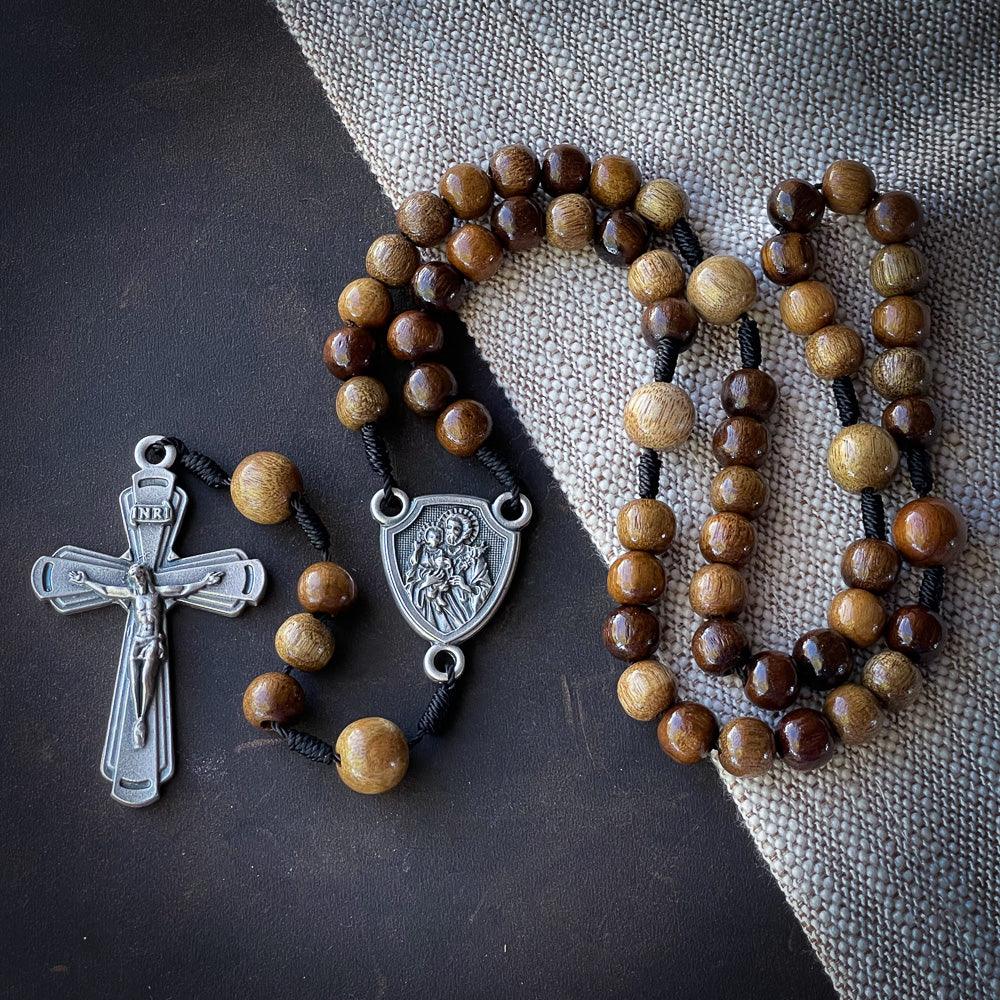
On September 29, the Feast of the Archangels, consider praying the Chaplet of St. Michael for them, and if you'd like to give them something they can carry, the Defender Rosary was built with exactly this kind of life in mind. Our St. Michael rosary gift guide has more ideas for soldiers, police officers, and first responders. If you're weighing Michael against other protection devotions, like the Miraculous Medal or the St. Benedict Medal, our comparison of protection devotions lays them side by side.