
Receptivity, Courage, and Endurance: The Three Things Joseph Brings to the Rosary
St. Joseph is often described as a man of silence. That is true in the sense that Scripture gives him no spoken lines. But silence and passivity are not the same thing. Joseph's life was one of constant, deliberate, costly action. He moved his family across borders at a moment's notice. He provided for the Son of God on a carpenter's income. He stayed. Praying the Rosary with his spirit means bringing that same quality of attentive, purpose-driven faithfulness to your prayer.
| Joseph's Quality | What It Looks Like | How It Applies to the Rosary |
|---|---|---|
| Receptivity | Openness to God's will even when it cost him everything | Quieting yourself before the first Hail Mary; asking God to speak through the Mysteries |
| Courage | Acting on God's word without reassurance or explanation | Coming back to prayer on the days when everything in you wants to skip it |
| Endurance | Decades of faithful, unrecognized labor | The daily habit that reshapes a person over years into someone who knows Christ deeply |
| Silence | No recorded words in Scripture; action over speech | Sitting in silence before and after the decades rather than rushing to the next thing |
What Joseph's Spirit Brings to the Rosary
When we talk about the spirit of a saint, we are talking about the particular way that saint reflected God's grace in their character. For St. Joseph, that character was defined by three things: receptivity to God's will, courage to act on it, and endurance through difficulty.
Each of those maps directly onto how we can approach the Rosary.
Receptivity is what happens when we quiet ourselves before the first Hail Mary. We are not rushing through a checklist. We are asking God to speak through the Mysteries we are about to contemplate. Courage is what it takes to come back to prayer on the days when everything in you wants to skip it. And endurance is the long-term habit: the daily fidelity that, over years, reshapes a person into someone who knows Christ as deeply as they know anyone.
Praying Through the Mysteries as Joseph Would Have
St. Joseph would have known the prayers and Scriptures that form the foundation of the Rosary. He raised Jesus in a Jewish household of deep faith. He recited the psalms. He made pilgrimage to Jerusalem. He was, in every sense, a man formed by sacred Scripture and sacred practice.
Joyful Mysteries
Joseph is a central figure in four of the five Joyful Mysteries. The Annunciation came to him in a dream. He traveled with Mary to Bethlehem. He presented Jesus in the Temple. He searched three desperate days for the lost child Jesus. Praying these Mysteries with Joseph's perspective grounds them in practical, often anxious faithfulness. He did not know how things would turn out. He obeyed anyway.
Sorrowful Mysteries
Joseph does not appear in the Sorrowful Mysteries, because Scripture suggests he had already died before the Passion. But his absence is itself a meditation. He raised Jesus knowing he would not be there at the end. He trained, protected, and formed a Son he would one day leave in God's hands. Pray these Mysteries with the question: what am I caring for today that I must one day surrender to God?
Glorious Mysteries
Joseph's life pointed toward the Resurrection without his being able to see it. Praying the Glorious Mysteries with his spirit means holding onto hope in the unseen. The glory that came after the Crucifixion is the same glory that God intends for every faithful act done in the dark.
Luminous Mysteries
These Mysteries focus on the public ministry of Christ, years after Joseph's time on earth. But they show us the Man that Joseph's faithfulness helped shape. Praying the Luminous Mysteries with gratitude for Joseph's quiet formation of Jesus is a profound act of honor toward a saint who rarely gets the recognition he deserves.
| Set of Mysteries | Joseph's Presence | The Meditation |
|---|---|---|
| Joyful | Central figure in 4 of 5 | Anxious, obedient faithfulness in real time |
| Sorrowful | Absent (likely deceased) | Caring for what you must one day surrender |
| Glorious | Absent but vindicated | Hope for the unseen; faithful acts done in the dark |
| Luminous | Absent; his formation visible in Christ | Gratitude for quiet, unrecognized shaping of souls |
Three Habits Worth Adding to Your Rosary Practice
If you want to bring Joseph's spirit more deliberately into your daily prayer, try these additions.
Begin With a Prayer to St. Joseph
A simple "St. Joseph, patron of the universal Church and guardian of the Holy Family, pray for me as I come to the Rosary today" takes fifteen seconds and asks for his intercession explicitly.
Sit With Silence Before and After
Joseph did not fill his life with words. Before your first decade, take thirty seconds of silence to prepare your heart. After your last decade, take another thirty seconds to let the prayer settle. Do not rush from prayer to the next thing immediately.
Offer Your Rosary for a Man in Your Life
St. Joseph's patronage extends specifically to fathers, workers, and dying souls. Dedicating your Rosary for a father who is struggling, a friend going through a hard season, or someone near death is a very Josephite act of prayer.
A Rosary That Honors the Craftsman-Saint

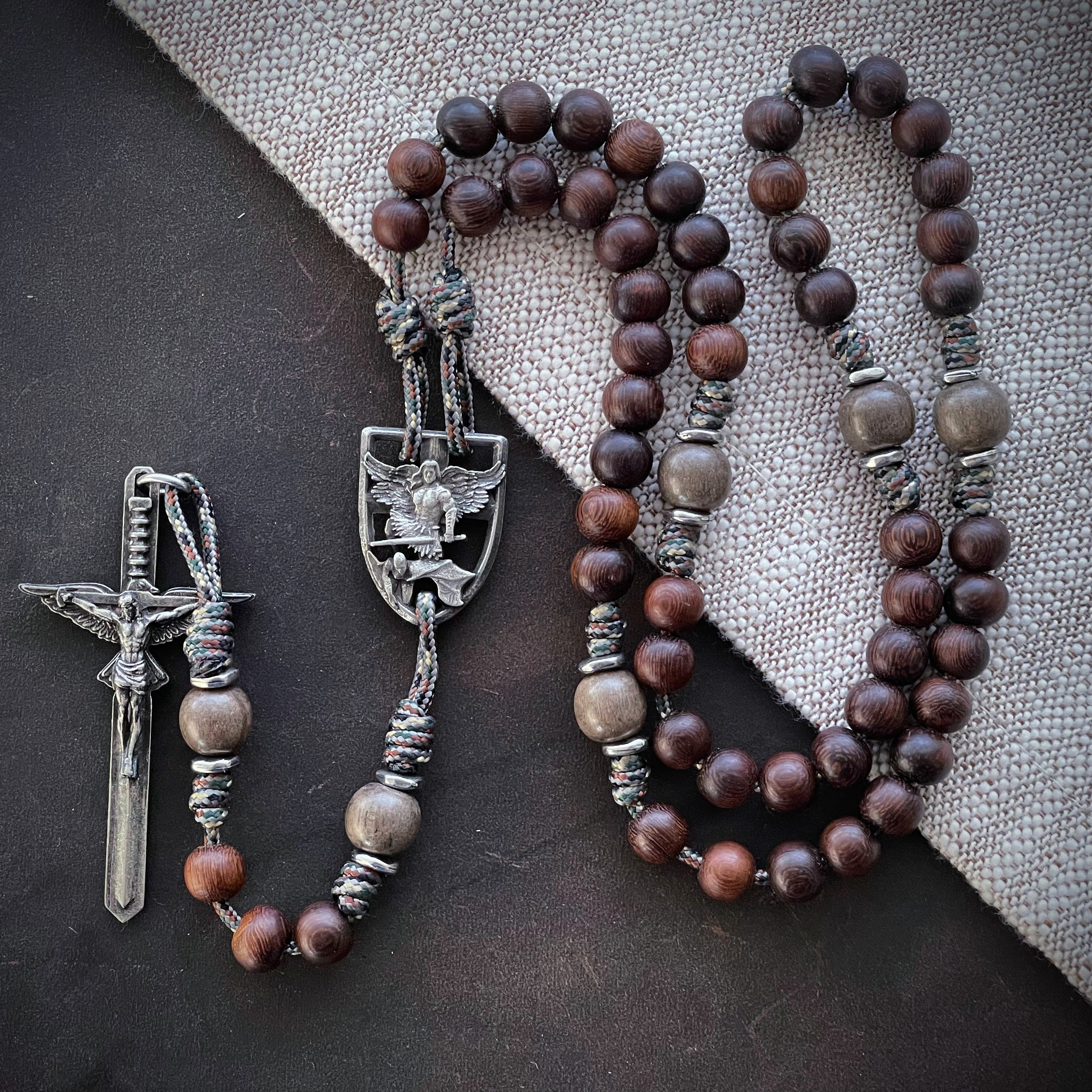
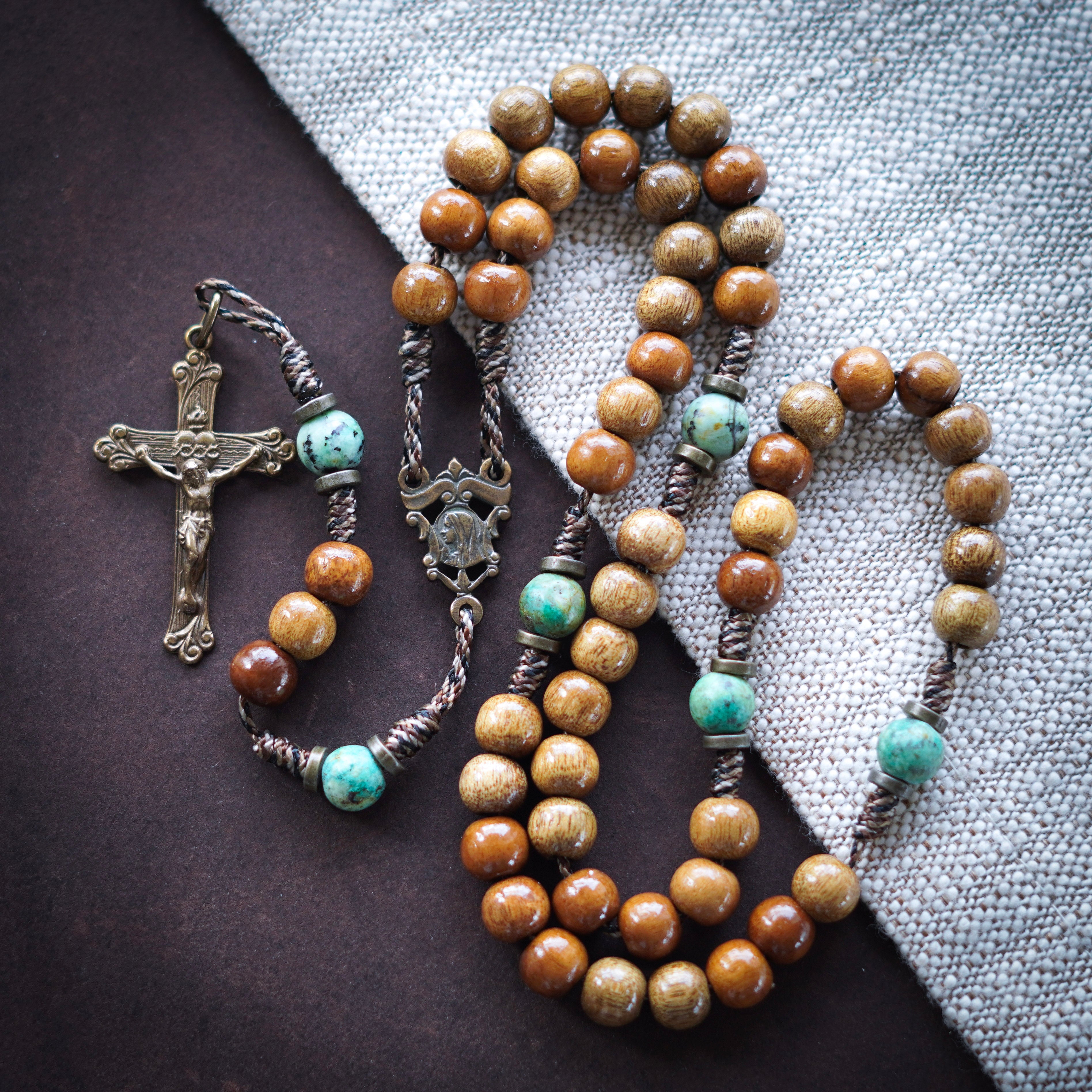
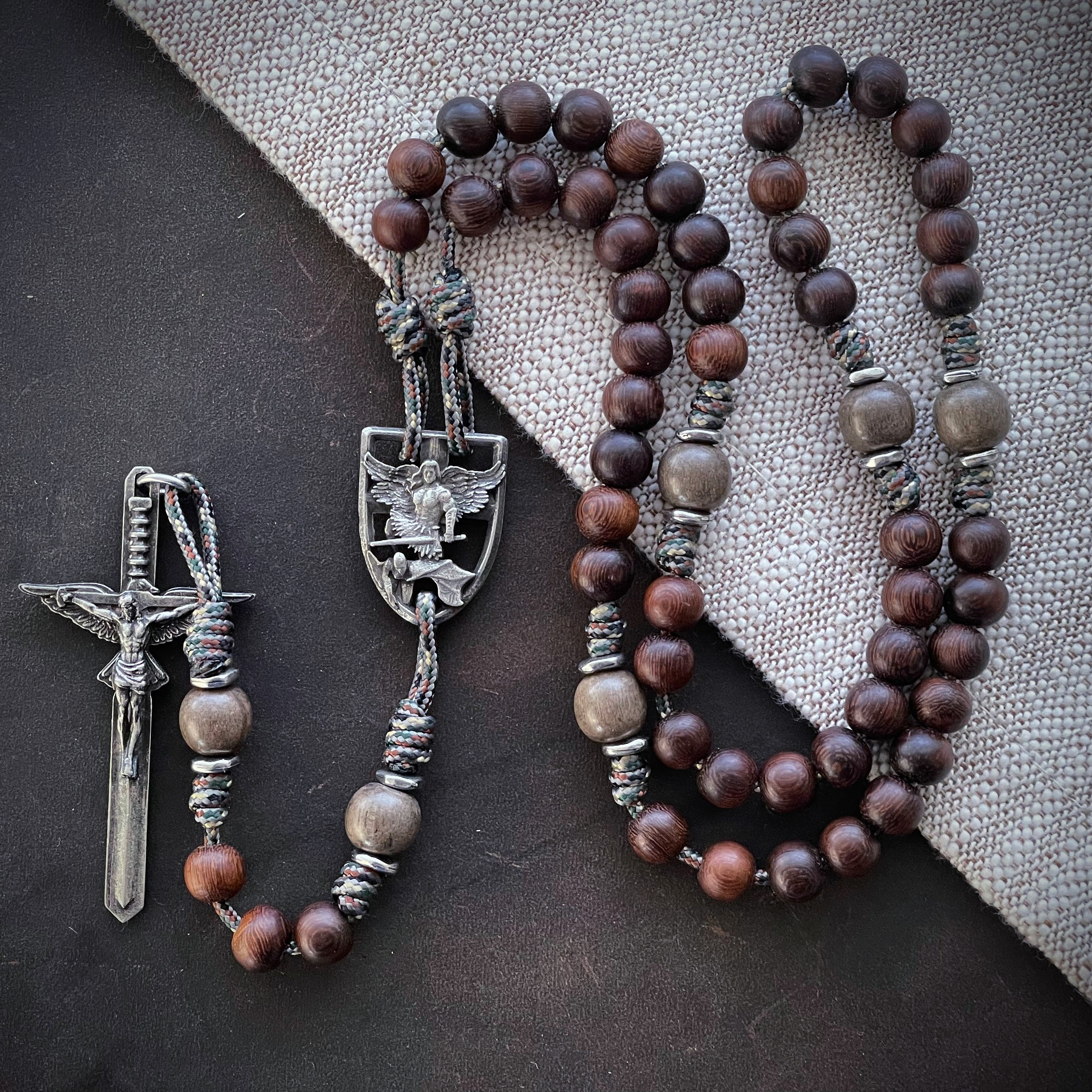
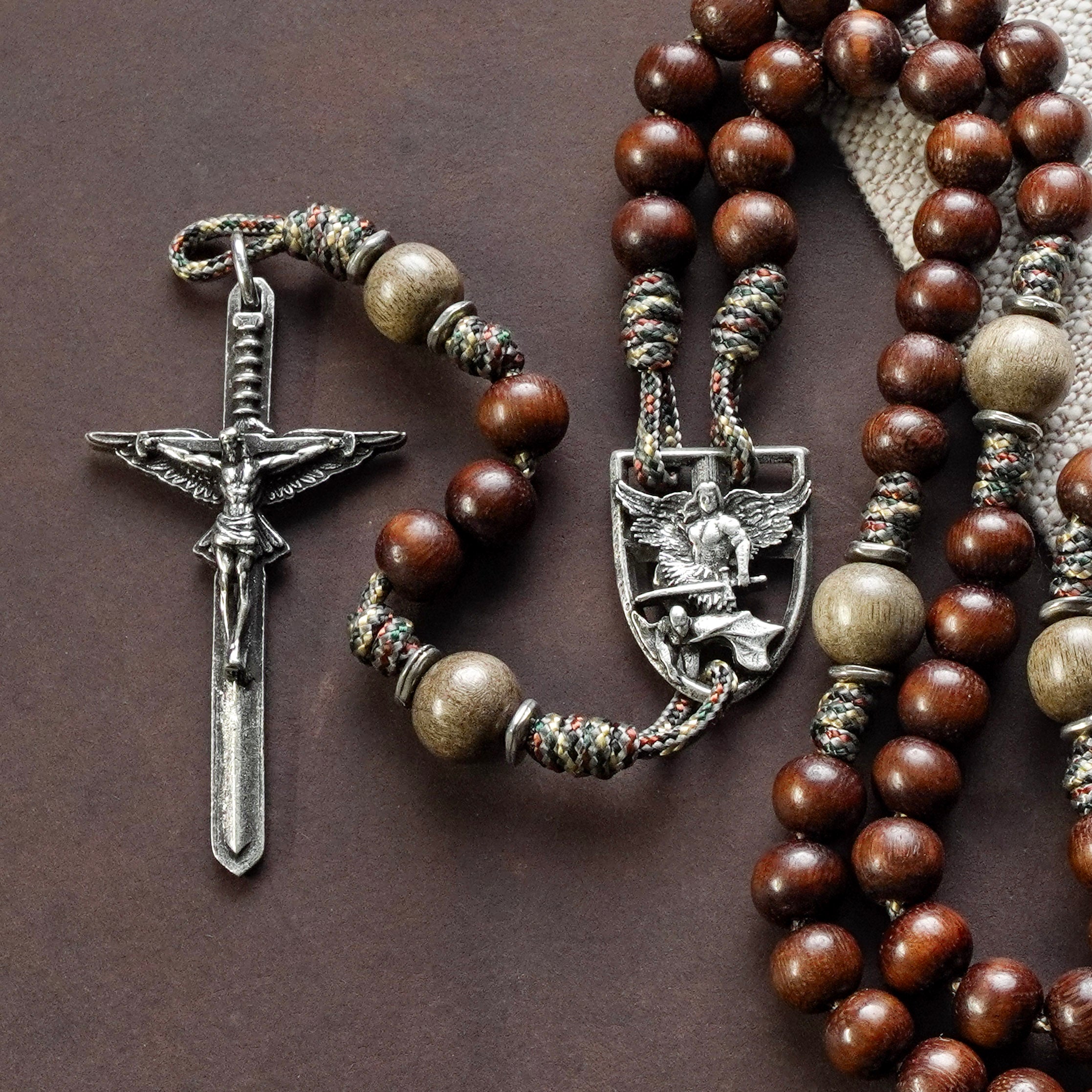
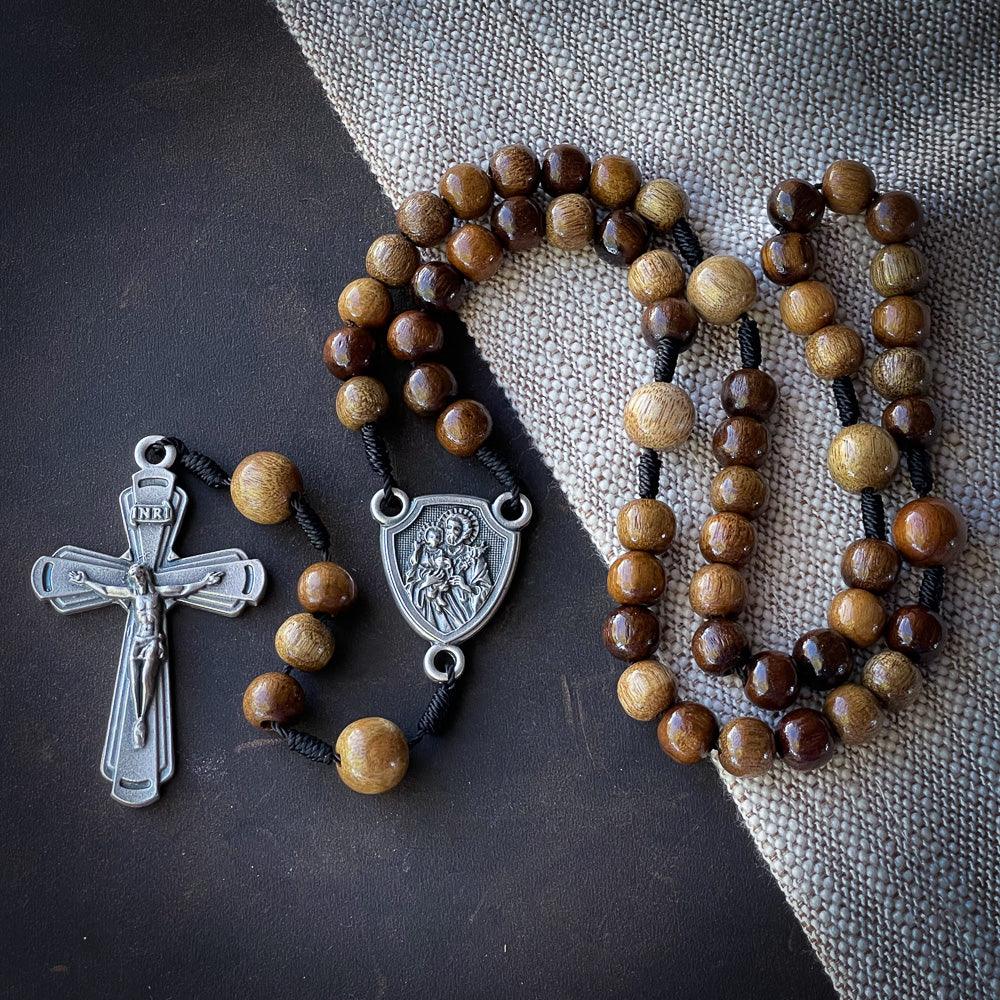
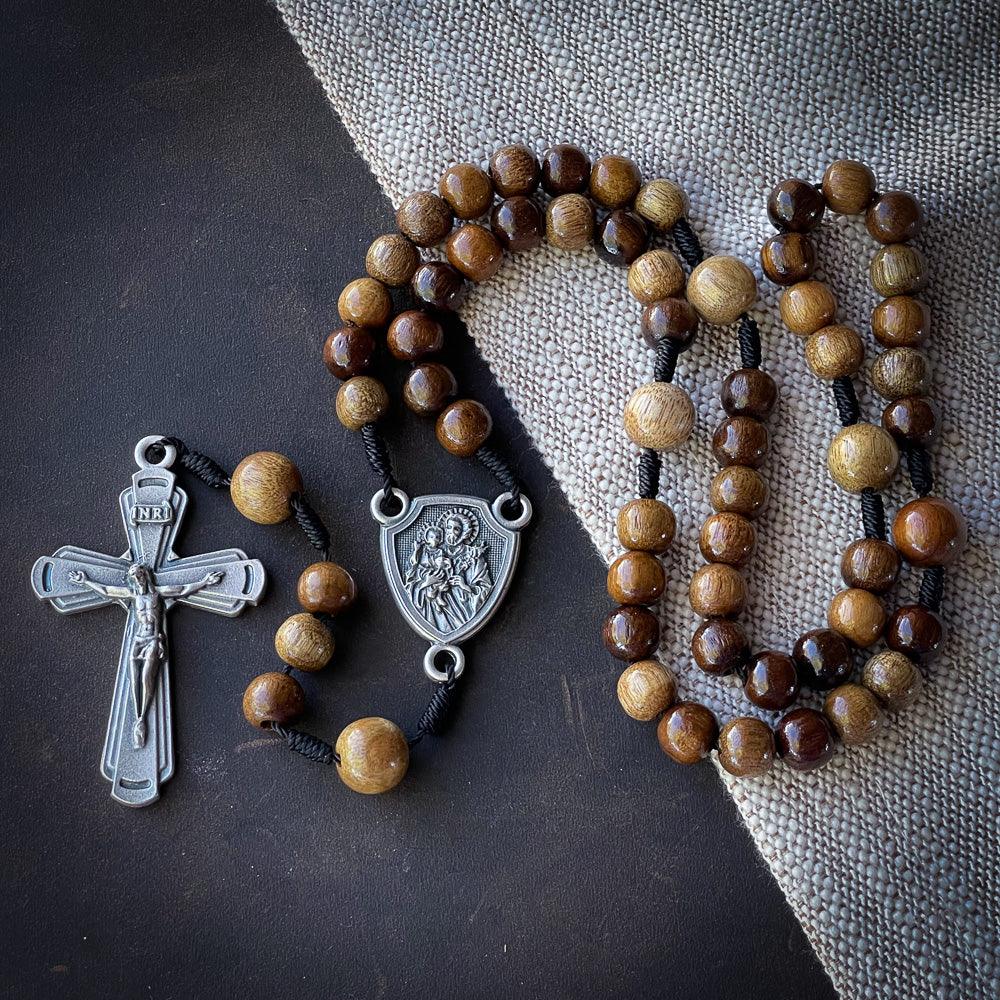
St. Joseph was a craftsman. He worked with wood. He built things meant to last. The Joseph's Armor Design rosary from The Catholic Woodworker honors his memory through handmade wooden beads, hand-inspected for quality, strung on military-grade 95 paracord built for durability. It is a rosary that reflects the kind of craftsmanship Joseph would have recognized. Built to last for generations and backed by a lifetime guarantee.
Final Thoughts
Joseph did not leave behind sermons or letters. He left behind a son he had raised well, a wife he had protected faithfully, and a life of obedient, costly action that Scripture records without a single quoted word. That kind of prayer life is worth aspiring to. The Rosary, prayed with his spirit, is one of the most direct paths toward it.
If you are building a prayer life worthy of the saint who raised the Son of God, start with the structure he would have recognized: daily fidelity, purposeful silence, and a rosary built to last.
Source: Content produced for The Catholic Woodworker · catholicwoodworker.com