
A Guide to Franciscan Spirituality
Francis prayed in caves. He prayed in crumbling chapels and on open hillsides in the dark. He wept when he prayed. His brothers heard him crying out through the night: "Who are You, O Lord, and who am I?" His prayer was not decorative. It was the central activity of his life, and everything else was organized around it.
Quick Reference| Franciscan Practice | What It Looks Like | Where to Start |
|---|---|---|
| Start with Creation | Gratitude before petition; naming gifts | Two minutes before formal prayer |
| Pray with Your Body | Kneel, hold the rosary, move through the decades | The rosary as embodied Franciscan prayer |
| Build in Silence | Five minutes before morning prayers | No phone, no podcast — just settle |
| Pray Specifically | Name people, name needs | Bring one person by name today |
Start with Creation
Francis's Canticle of the Creatures is the oldest surviving poem written in Italian vernacular. It is a song of praise to God through the things of creation: Brother Sun, Sister Moon, Brother Wind, Sister Water. It is sometimes read as sentimental nature poetry. It is actually a precise theological statement. Francis did not worship creation — he found in it an ongoing revelation of the God who made it. Every beautiful thing pointed somewhere. Every experience of sunlight or wind was an occasion for gratitude, and gratitude, in the Franciscan tradition, is the beginning of prayer.
A practical entry point into Franciscan spirituality is to practice gratitude before you practice anything else. Before the formal prayers, before the rosary, before any petition, spend a few minutes looking at whatever is actually in front of you and naming it as a gift. This is not a spiritual technique. It is a reorientation — learning to see the way Francis saw.
Francis did not begin with petition. He began with praise. Before you ask God for anything, spend two minutes noticing what He has already given you. That shift changes the quality of everything that follows.
Pray with Your Body
Francis's prayer was embodied. He knelt, prostrated himself, walked, worked with his hands. He did not treat the body as an obstacle to prayer but as a participant in it. This is consistent with the broader Catholic tradition, which has always understood that what you do with your body forms your soul.
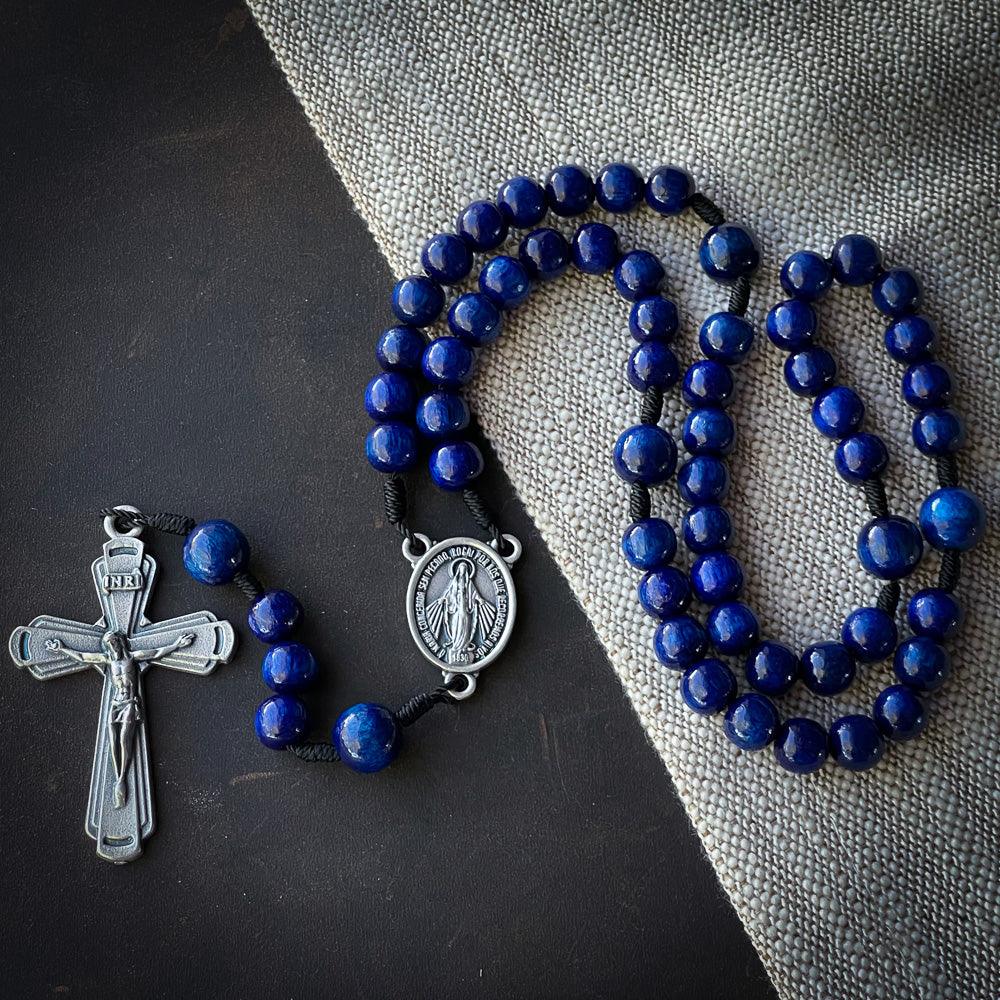
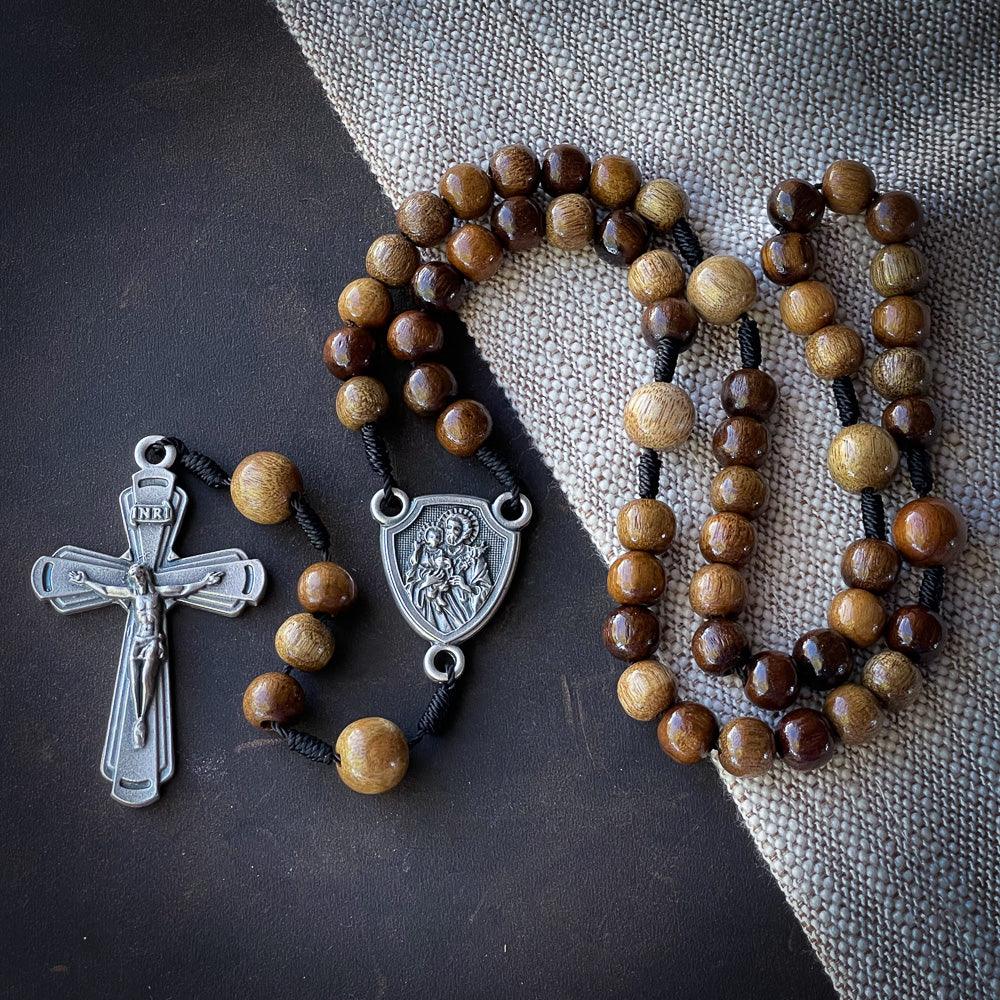
The rosary is the most obvious application of this principle. You hold something. You move through a structured sequence with your hands and your lips while your mind moves through the mysteries of the life of Christ. The physical engagement is not incidental — it keeps you present when your thoughts would otherwise wander. Francis would have recognized the rosary as deeply Franciscan in spirit: simple, embodied, and structured around the life of Christ as seen through the eyes of Mary.
Build in Silence
Francis regularly withdrew from even his brothers to pray alone. He would disappear into the hills or into a small cave for days at a time. He understood that the contemplative foundation — time of genuine silence and solitude before God — was what made everything else possible. Without it, ministry becomes activity. Without it, virtue becomes performance.
Most people reading this are not going to disappear into a cave. But almost everyone can find twenty minutes — or even five — that could be silence rather than scroll. Begin with five minutes of silence before your morning prayers. No phone, no podcast, no background noise. Sit in whatever room you have. Breathe. Let the mind settle. Then pray. Even a very small amount of genuine silence before formal prayer changes the quality of the prayer significantly.
You do not need a cave. You need five minutes and a closed door. The difference between five minutes of silence before prayer and going straight to prayer is larger than it sounds. Try it for one week.
Pray the Office, Even Partially
Francis was a deacon, not an ordained priest, but he was devoted to the Liturgy of the Hours — the Church's structured daily prayer that sanctifies each part of the day. He prayed it on the road. He improvised it when he had no book. Most lay Catholics do not pray the full Divine Office. But the principle behind it — that the day should be punctuated by prayer rather than merely concluded with it — is accessible to anyone.
Consider adding a brief prayer at noon in addition to morning and evening prayer. The Angelus is traditional and takes less than two minutes. The effect of breaking the day with even one additional moment of recollection is more significant than it sounds — it reorients the second half of the day around God rather than leaving the whole day to momentum.
Pray for Others, Specifically
Francis's intercessory prayer was concrete. He prayed for specific people in specific situations. He prayed for the Sultan by name. He prayed for the lepers he had served. He prayed for his brothers who were struggling. Vague prayers for "the world" or "all who suffer" are not wrong, but they tend to be less engaged. Francis prayed the way he lived: in direct contact with actual people and their actual needs. Bring specific people into your prayer by name. Name what they need.
The Rosary as a Franciscan Prayer
Franciscan spirituality and Marian devotion have been intertwined from the beginning. Francis had a profound love for the Blessed Mother — he saw her as the one who made the Incarnation possible, the tabernacle that held the Word made flesh. He placed his order under her protection. Praying the rosary in the Franciscan spirit means bringing to it the qualities Francis brought to all his prayer: presence, gratitude, embodied attention, and a willingness to be changed by what you contemplate.
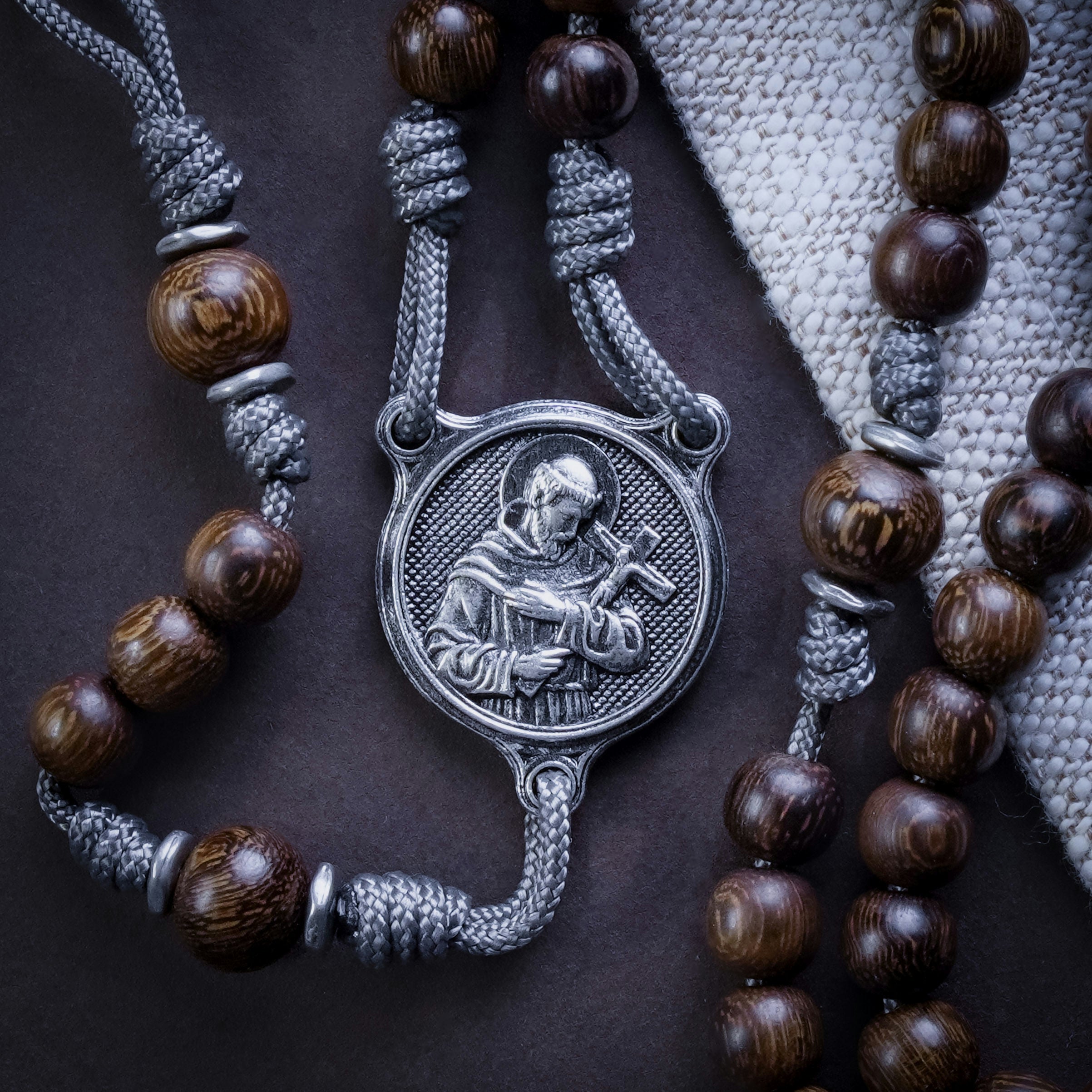
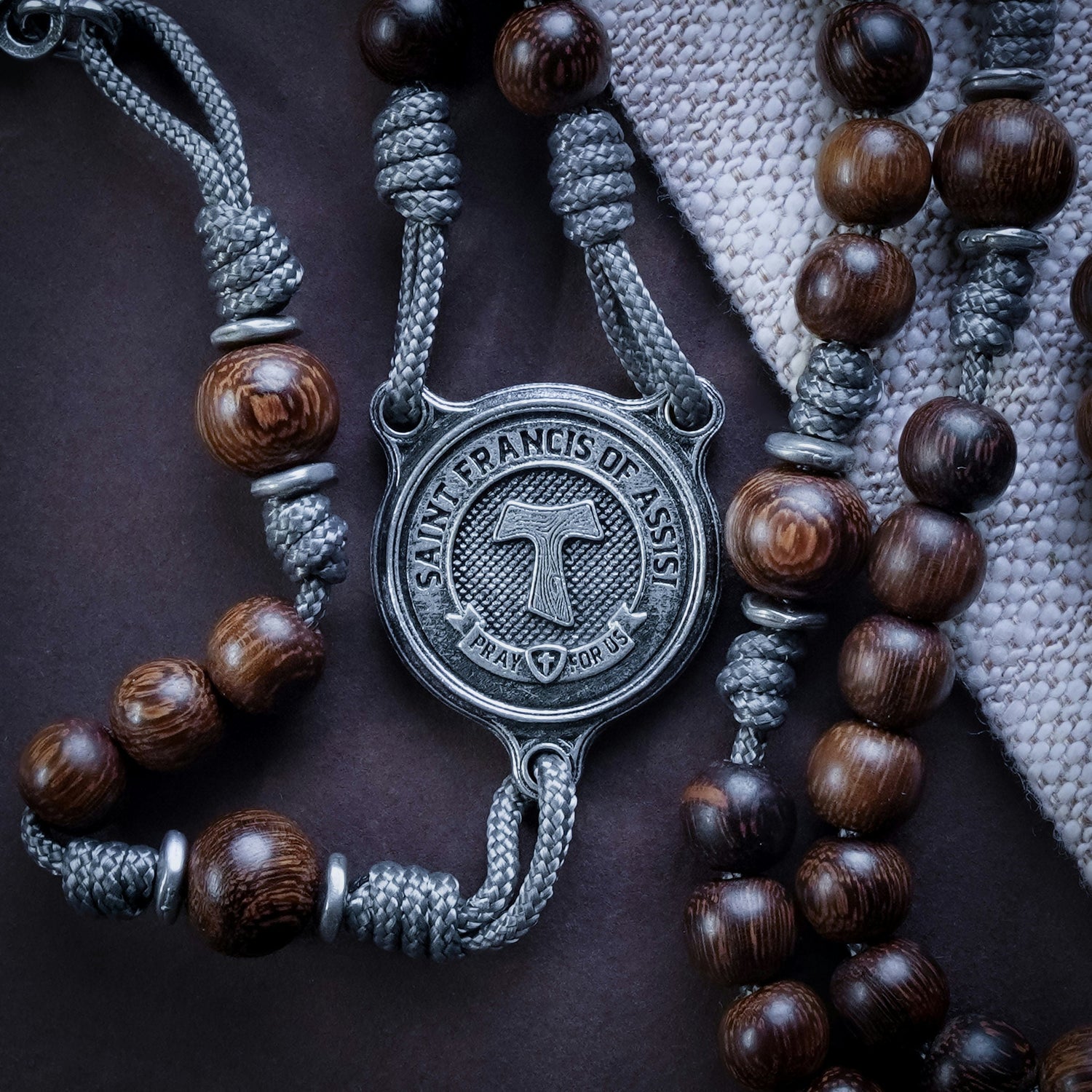
Move slowly through the mysteries. Let each one land. Pray with your hands and not just your lips. The St. Francis Peace Rosary we are releasing this year is built for exactly this kind of prayer — daily, embodied, and oriented toward peace.
The principles behind Francis's prayer are available to anyone in any circumstances. Gratitude, embodied attention, silence, specificity — these are not extraordinary demands. They are the ordinary shape of prayer done seriously.
Q&A Flashcards: Franciscan Spirituality and Prayer
Tap any card to reveal the answer.
Source: Content produced for The Catholic Woodworker · youtube.com/@thecatholicwoodworker · April 2026