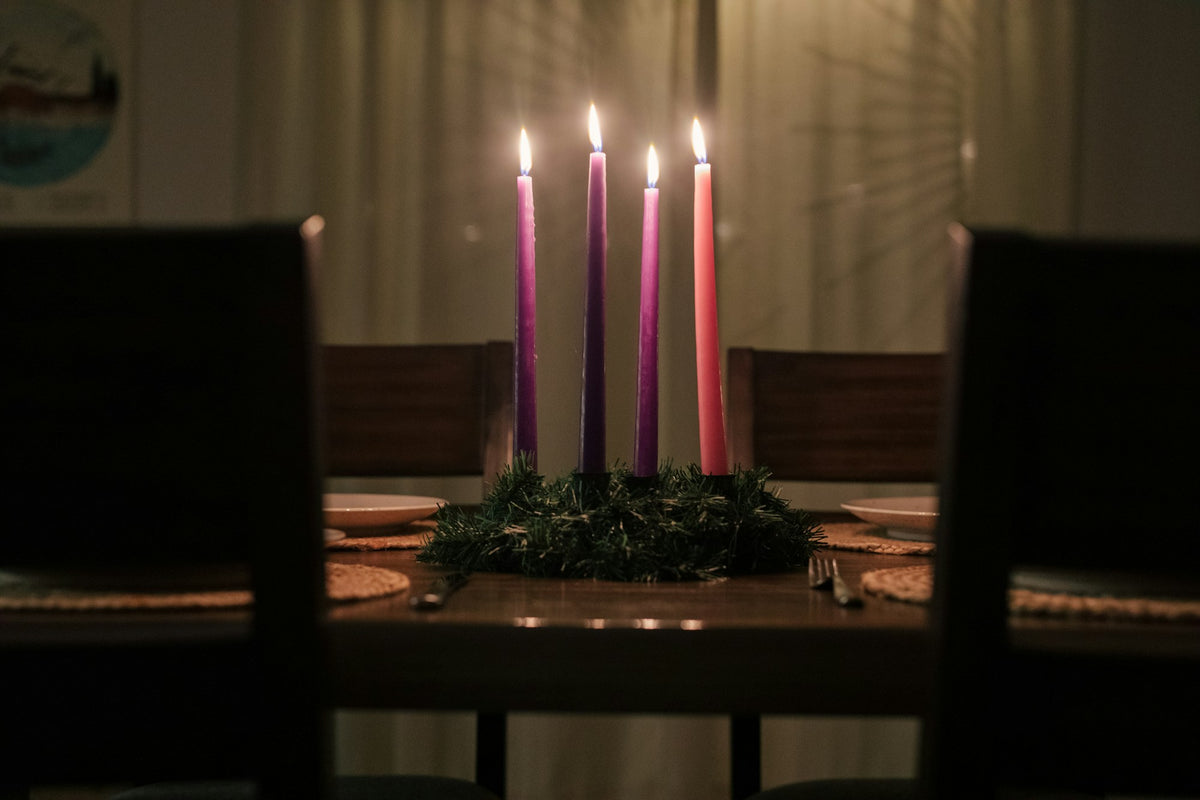

One candle on the Advent wreath doesn't match the other three, and sooner or later someone at the table asks why. The answer says a lot about how the Church wants us to spend these four weeks.
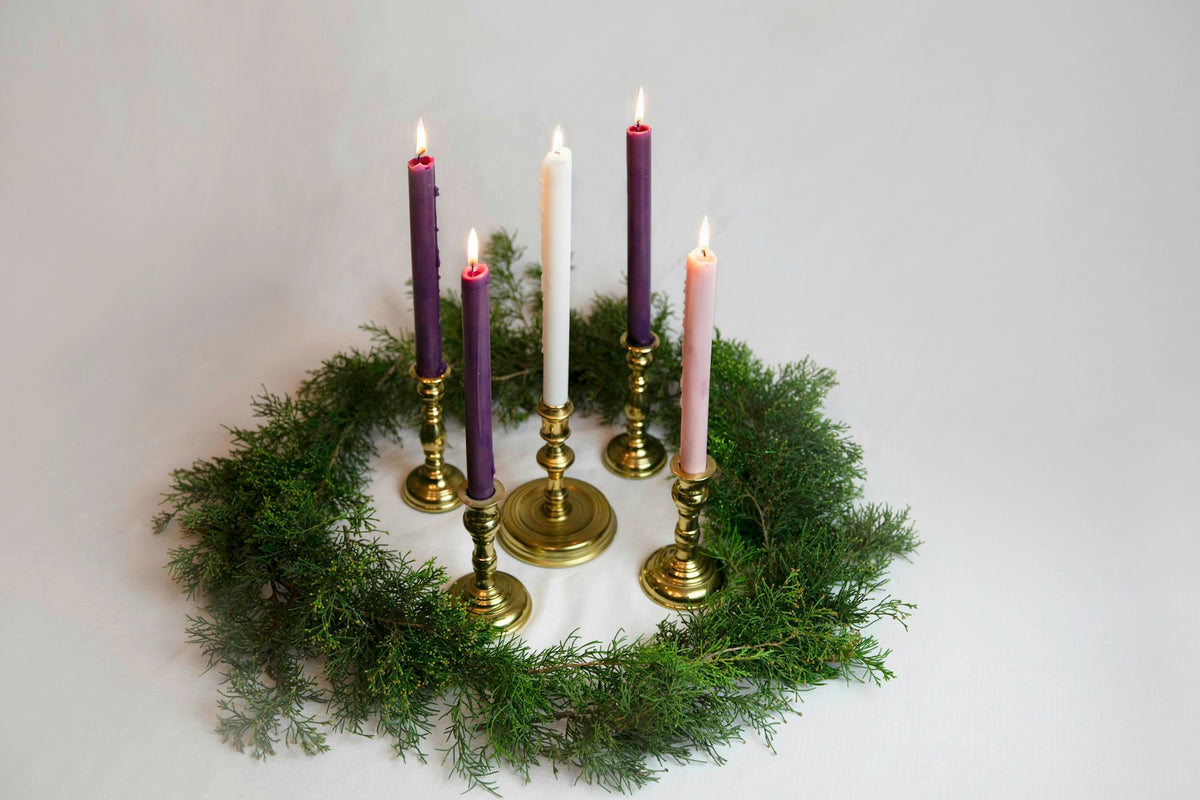
The Advent wreath is a circle of evergreen branches holding four candles, one for each Sunday of Advent. The circle stands for God's love without end and the evergreens for life that doesn't die. The growing light points to Christ coming into the world. Three candles are violet, the Church's color of preparation and penance. The rose candle is lit on Gaudete Sunday.
What each part of the wreath means
The Church's blessing for the wreath doesn't spell out every symbol, but Catholic families have read it the same way for generations.
- The circle. A ring has no beginning and no end. It points to God, who is eternal, and to the eternal life He offers us.
- The evergreens. Branches that stay green through winter are a sign of hope and of life that outlasts the dark months.
- The four candles. One for each Sunday of Advent. In 2026 those Sundays are November 29, December 6, December 13 and December 20.
- The growing light. Each week one more candle is lit. The light grows as Christmas gets closer, a picture of Christ, the Light of the World, coming into our darkness.
Why three candles are purple and one is pink
Violet (purple) is the color of Advent. The priest wears it at Mass for most of the season, and it's the same color the Church uses in Lent. In both seasons it marks preparation and penance. We're getting ready for a feast, and part of getting ready is turning away from whatever crowds Christ out of our hearts.
That penitential side of Advent is easy to miss when the stores are already playing Christmas music. The USCCB puts it this way: Advent includes an element of penance "in the sense of preparing, quieting, and disciplining our hearts for the full joy of Christmas." John the Baptist sets the tone. On the Second Sunday of Advent this year, December 6, the Gospel finds him in the desert "proclaiming a baptism of repentance for the forgiveness of sins."
You can see it in the Mass, too. The Gloria is left out on the Sundays of Advent, and the Church asks for flowers and music to be kept modest so the full joy of the Nativity isn't spent early. Advent's penance is gentler than Lent's, though. There's no required fast, and the Church calls the season a time of devout and joyful expectation. Many families mark the four weeks with a small sacrifice and a good confession before Christmas.
The pink candle is properly called rose. It belongs to the Third Sunday of Advent, Gaudete Sunday, which takes its name from the Latin word for "rejoice." On that Sunday the priest may wear rose vestments too, as a sign that the waiting is more than half over. Rose shows up only twice in the Church's year: Gaudete Sunday in Advent and Laetare Sunday in Lent.
If you can't find a rose candle, that's fine. The Book of Blessings allows four violet candles, or four white ones.
Which order to light the Advent candles
- First Sunday (November 29): one violet candle.
- Second Sunday (December 6): two violet candles.
- Third Sunday (December 13): two violet candles and the rose candle.
- Fourth Sunday (December 20): all four candles.
Advent officially begins with evening prayer on the Saturday before the First Sunday, so lighting your first candle on Saturday night, November 28, is a fine way to start. Many families also light the wreath at dinner every evening of the week.
Some families add a white candle in the center and light it on Christmas Day. It's a popular addition, though it isn't part of the Church's blessing of the wreath.
Are "hope, peace, joy and love" the Catholic names for the candles?
They're common, and you'll see them on a lot of Advent calendars and craft kits. The Church's liturgical books don't name the candles, though. Other traditions call them the Prophet's candle, the Bethlehem candle, the Shepherds' candle and the Angels' candle.
Only one name lines up with the liturgy itself: joy, for the rose candle on Gaudete Sunday. Use whatever names help your family pray. The surest guide to each week is the Sunday Gospel, and our Advent Wreath Prayers for Each Week pairs each candle with a prayer.
Where the Advent wreath came from
The modern wreath started in 1839 in Hamburg, Germany. Johann Hinrich Wichern, a Lutheran pastor who ran a mission school for poor children, built a ring from an old cartwheel. He set small candles on it for the weekdays and large white candles for the Sundays, so the children could count the days to Christmas.
The custom spread through Germany. Catholic families there took it up in the 1920s, and it reached the United States in the 1930s. Today the Church's Book of Blessings includes a blessing of the Advent wreath, and a parent can lead it at home.
Light it with a decade
The wreath gives your family a set time to pray every evening. Try adding one decade of the Rosary after the candles are lit, using the Joyful Mysteries:
- Week 1: the Annunciation
- Week 2: the Visitation
- Week 3: the Birth of Jesus
- Week 4: the Annunciation again, since it's the Gospel on December 20
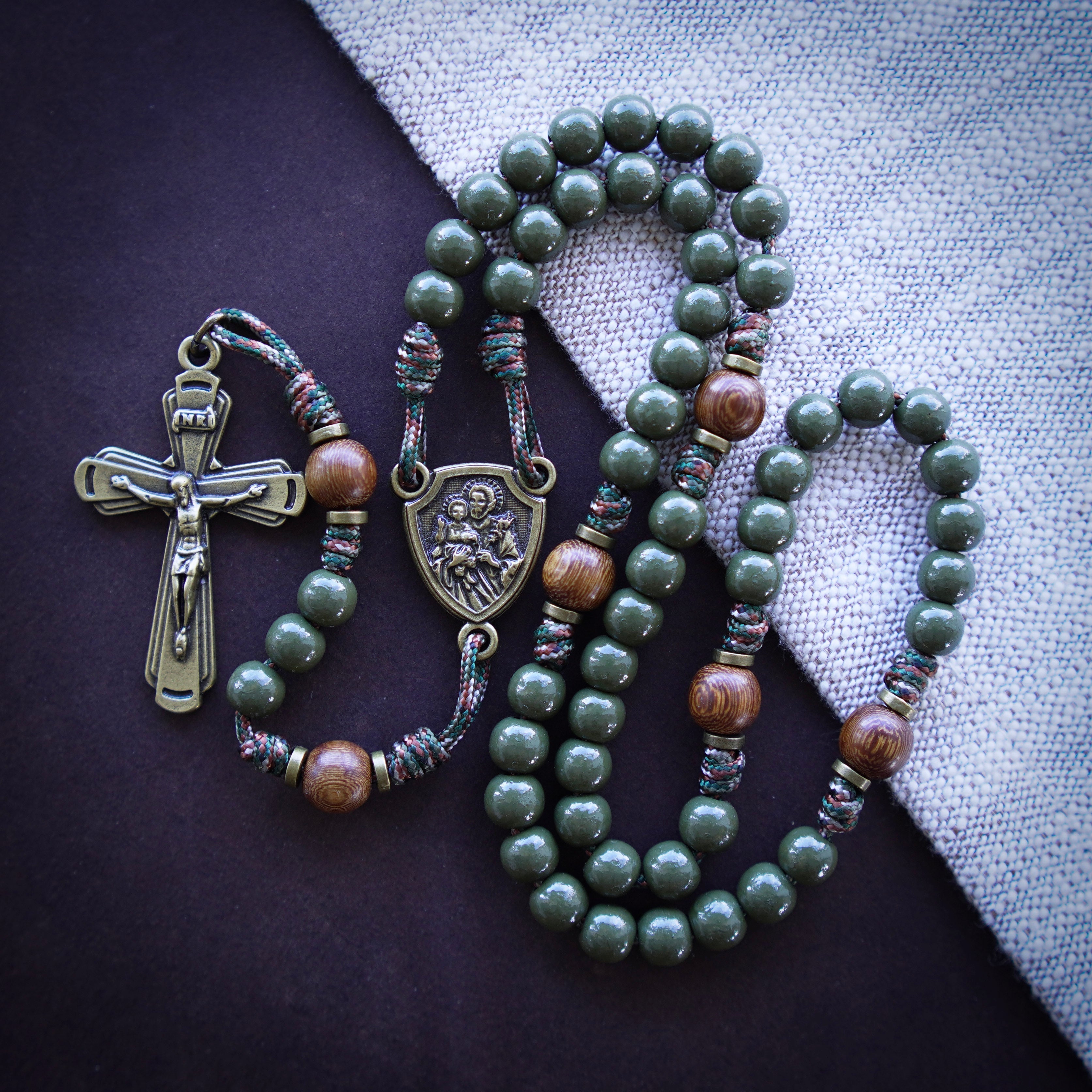
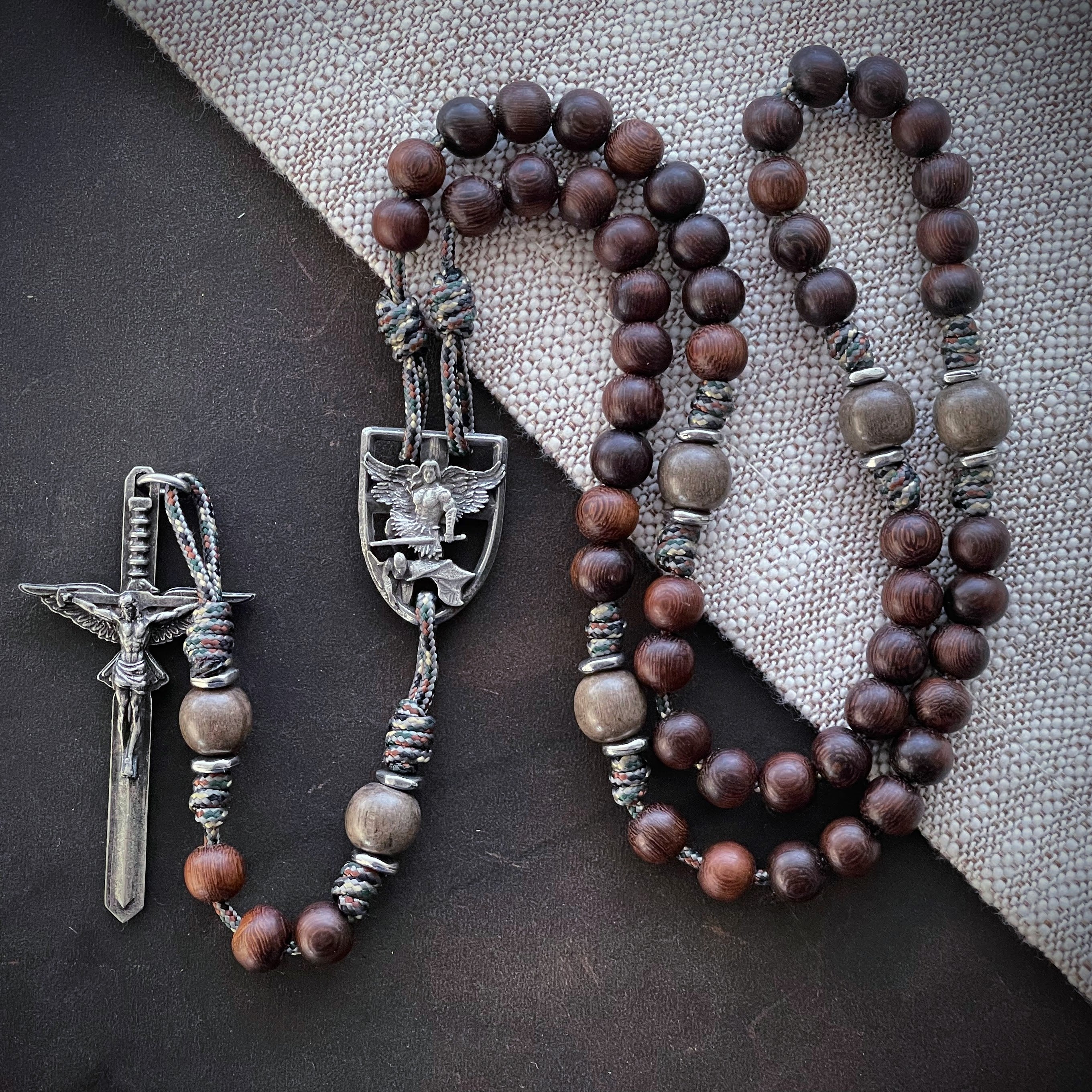
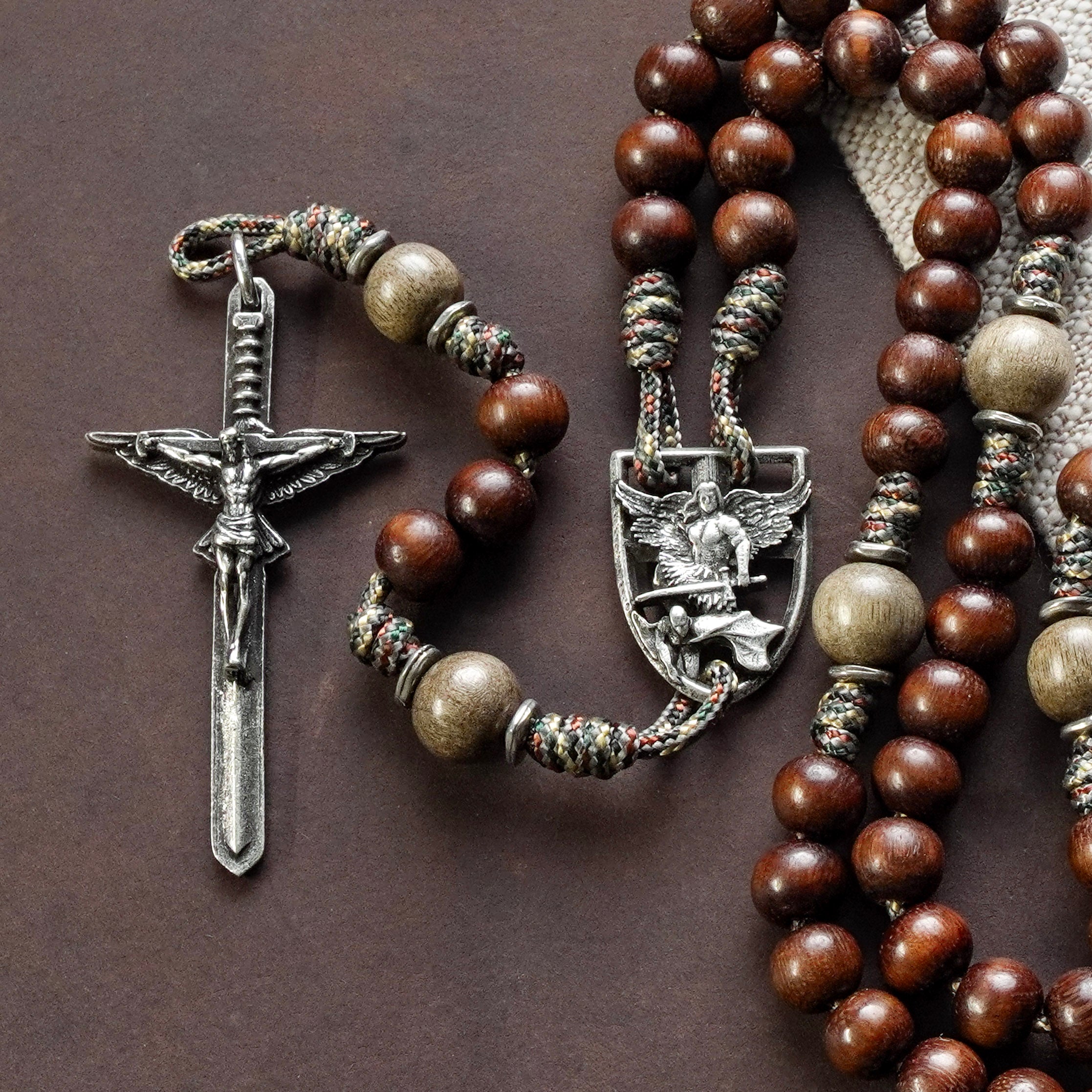
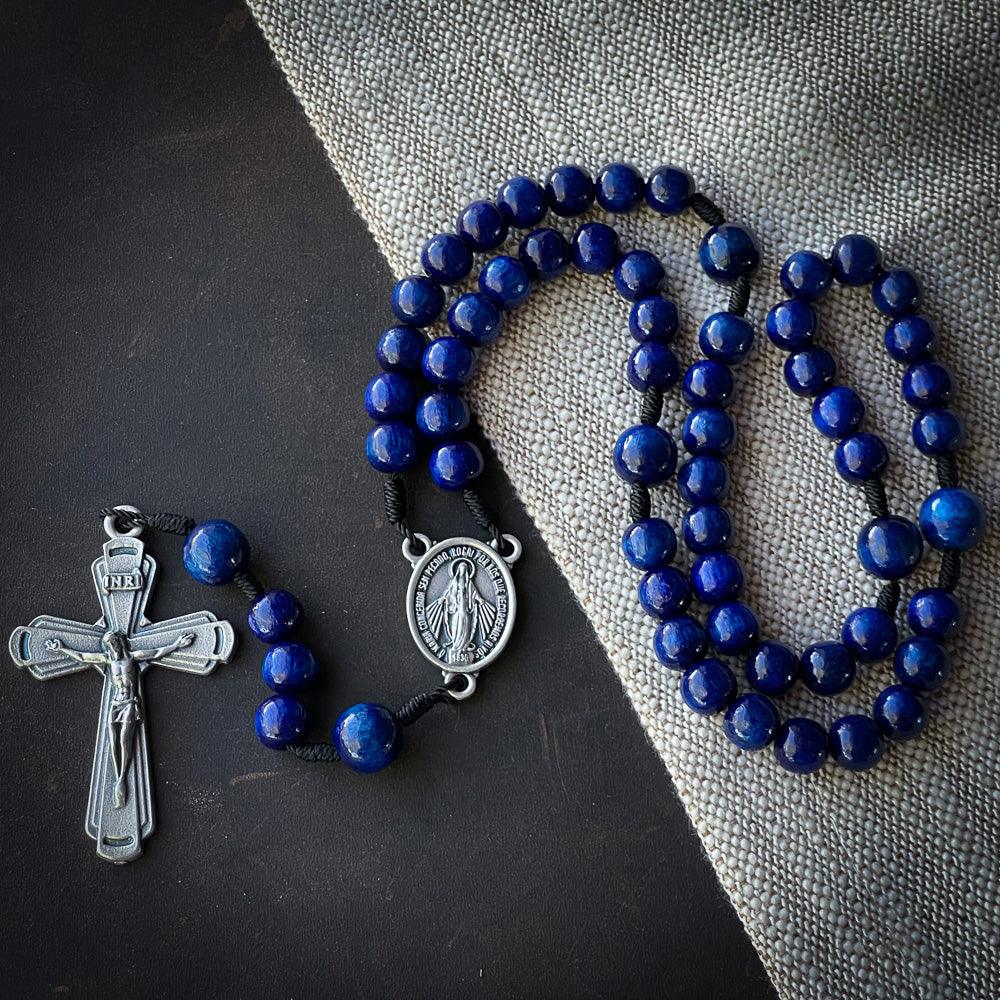
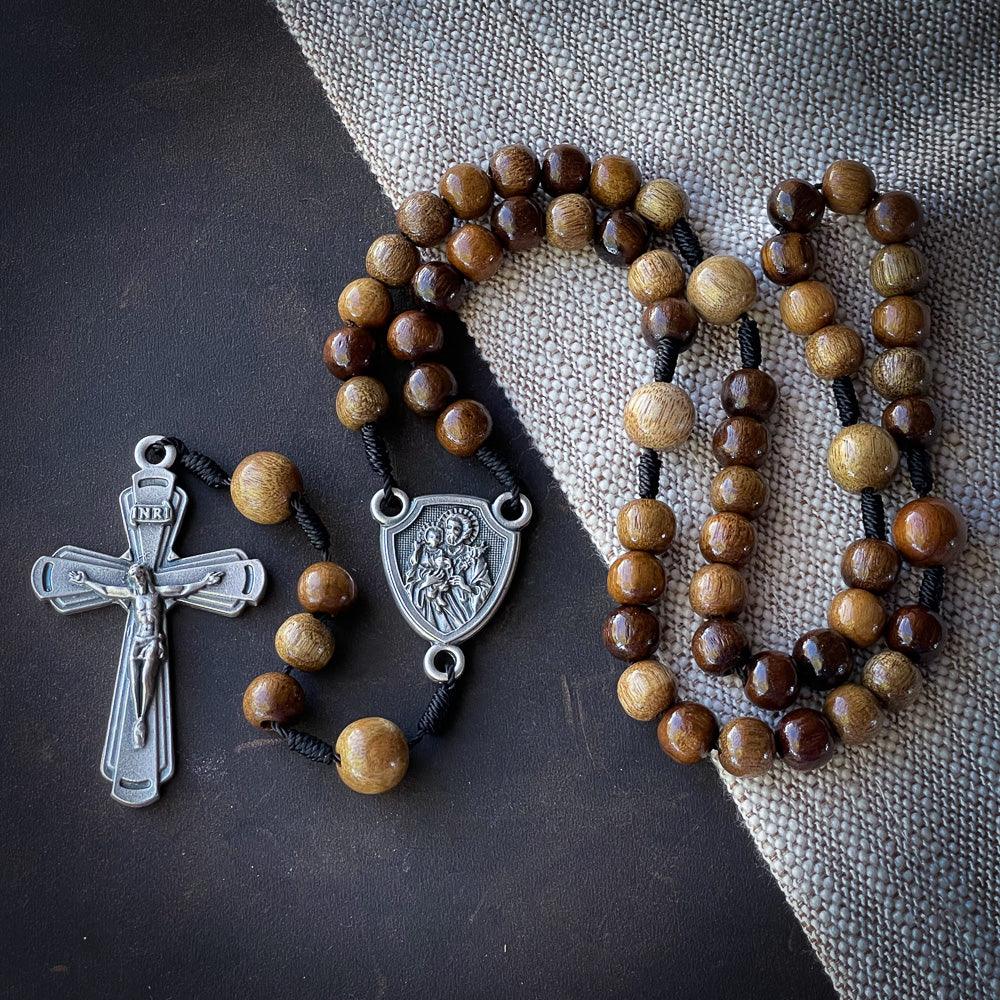
Ten Hail Marys take about five minutes, and kids can take turns leading. If you want a verse to go with each night, our Advent Scripture and Prayer Plan has one for every week. And if your family needs a rosary for each person at the table, you can find one here.
Keep reading
- Catholic Advent: How to Pray Through the Season, our guide to the whole season
- Advent Wreath Prayers for Each Week
- Gaudete Sunday: Finding Joy on the Third Sunday of Advent